If you are considering ways to soften a square jaw or exploring square jaw surgery, this detailed guide explains both surgical and non-surgical options, practical steps you can take before and after treatment, and realistic expectations for outcomes. The purpose is to give you clear, formal guidance so you can make an informed decision about surgery for square jaw or alternatives that might meet your goals with less downtime.
What is Square Jaw Reduction?
Square jaw reduction comprises procedures intended to reduce the prominence or angularity of the lower face.
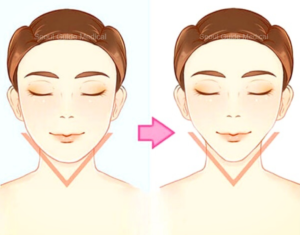
The visual effect of a square jaw can come from three principal sources:
| Dominant Cause | Clues You Can Notice | Typical First-Line Approach |
|---|---|---|
| Bone (mandibular angle/body) | Hard corners at jaw angle, unchanged by clenching | Square jaw surgery (angle/body contouring) |
| Masseter muscle hypertrophy | Jaw looks wider when clenching; palpable muscle bulk | Neuromodulator injections; consider staged square jaw reduction |
| Soft tissue & fat / skin laxity | Heavier lower face without sharp bony angle | Fillers for proportion; energy-based tightening |
Treatment planning begins with a careful assessment to determine the dominant cause. If bone is the main contributor, square jaw surgery or targeted bone contouring will usually be recommended. If muscle is the key factor, non-surgical options such as neuromodulator injections can create meaningful change. Many patients combine approaches to achieve optimal balance.
Non-Surgical Square Jaw Reduction
Non-surgical methods aim to reduce the appearance of a square jaw with minimal downtime. Principal options include:
-
Masseter neuromodulation — Carefully injected botulinum toxin into the masseter muscle reduces muscle activity and, over weeks to months, decreases muscle bulk. Many clinics report visible slimming in 4–6 weeks, with results lasting approximately 4–6 months before repeat treatment is required (see clinical reviews).
-
Dermal fillers — Strategic placement of fillers in the chin or cheeks can alter proportions and create an optical narrowing of the lower face. This is especially useful when bone width is modest but the appearance of width is accentuated by soft tissues.
-
Energy-based devices — Radiofrequency and ultrasound treatments (for example, focused ultrasound) can tighten skin and improve jawline definition. These are ideal when skin laxity contributes to the broad lower face rather than just muscle or bone bulk.
Non-surgical routes are reversible or repeatable, present lower immediate risk than surgery, and are suitable when you want to trial a softer jawline before committing to surgery for square jaw or when bone anatomy is not the dominant issue.
Surgical Square Jaw Reduction
When the mandibular bone forms the primary cause of a square appearance, surgical contouring provides the only definitive, long-term change. Typical procedures include:
- Mandibular angle reduction — The mandibular angle is contoured or partially resected (via ostectomy or osteotomy) to reduce the width of the lower face. One study of 31 patients undergoing mandibular “V-line” ostectomy combined with outer cortex ostectomy found a significant reduction in lower-face width and improvement in gonial angle and mandibular plane angle.
- Mandibular body or border shaving — In cases where occlusion, bite relationships or facial height (for example a “short face syndrome”) intervene, one may combine angle osteotomy with maxillary or mandibular repositioning (orthognathic surgery). A retrospective study of 20 patients with short-face syndrome and square jaw combination treatment (two-jaw orthognathic surgery plus mandibular angle osteotomy) showed improved facial height and mandibular angle with stable results at one year.
Surgical approaches are planned precisely using clinical examination and imaging; an experienced surgeon will discuss the incision location, fixation plans and likely millimetre changes so you appreciate the degree of alteration and recovery required.
Common Causes of a Squarish Jaw
Knowing the reason behind your square jaw helps to choose the correct treatment. Common causes include:
Genetics
Genetics play the most fundamental role in determining the shape of the lower face. Some individuals are born with a naturally wider mandibular angle or thicker cortical bone, giving the jawline a more square appearance even at a young age. Ethnic and familial patterns are well documented — for example, East Asian populations often exhibit a lower gonial angle and thicker mandibular cortex, contributing to the perception of a strong, broad jawline.
Similarly, inherited variations in muscle fiber density can make the masseter muscles more prominent, particularly when combined with habitual chewing or clenching. In these cases, the skeletal and muscular framework is structurally square from the outset, and treatment usually requires targeted interventions such as mandibular contouring or masseter neuromodulation rather than lifestyle modification alone.
Frequent Teeth Clenching and Its Effects
Jaw-clenching (often occurring during the day or at night as part of bruxism) places sustained, high-force stress on the masseter muscle. The muscle’s role in chewing is well-documented: when you repeatedly clench or grind your teeth, you activate the masseter far more often and with greater force than during normal chewing. Over time this leads to a condition called masseter hypertrophy (muscle enlargement) which contributes to visual widening of the lower face, making the jawline appear more square or rectangular.
Clinical literature reports that in cases of masseter hypertrophy, during sonographic or imaging studies, muscle thickness increases and the resultant lower-face silhouette becomes broader. For example, one study noted that patients with habitual clenching or gum-chewing exhibited hypertrophy of the masseter muscle and changes in facial contour.
If you have a squarish jawline and you also recall waking up with jaw tension, headaches, or your dentist has noticed worn teeth or signs of grinding, it is very likely that muscle contribution is significant. In such cases, non-surgical treatments targeting the muscle (for example neuromodulators) may play a prominent role, or must be integrated into a surgical plan.
Heavy Chewing or Habitual Use of the Jaw Muscles
Beyond clenching, heavy chewing—such as persistent gum chewing, frequently biting hard foods (nuts, tough meats, chewy candies), or even occupational/jaw-use demands (for example musicians or those frequently using oral contraptions)—can chronically stimulate the masseter and other masticatory muscles. Just like a weight-training muscle becomes thicker with repeated load, the masseter responds to persistent load with hypertrophy.
In practical terms, someone who chooses chewing gum for long periods, or habitually bites pens, fingernails or chew tough foods every day may gradually develop a more robust lower face. Some aesthetic-clinics describe this as a “jaw muscle workout” effect—less visible in early years, but over time the accumulated workload leads to visible broadening of the mandibular angle. The aesthetic consequence is a lower face that appears heavy or squared.
Age-related changes
As we age, bone resorption and soft-tissue atrophy occur throughout the midface and cheeks. Fat pads in the malar and buccal regions shrink or descend, and the skin loses elasticity and collagen support. This redistribution of volume exaggerates the relative prominence of the lower face, especially if the jawline is already strong. Essentially, the midface deflates while the jawline remains structurally intact, creating an illusion of a wider or heavier jaw. In aesthetic practice, this phenomenon is sometimes referred to as the “inverted triangle of youth” becoming a “rectangle of age.”
Weight and soft tissue
Changes in body weight and soft-tissue quality significantly influence jawline width and definition. Excess facial fat, particularly in the buccal or submandibular (under-chin) regions, can obscure jaw contour and create the illusion of a bulky, square jaw even when bone and muscle are normal in size. Conversely, rapid weight loss or skin laxity after weight fluctuations can produce jowls that hang laterally, again widening the visual profile of the lower face.
Clinicians will determine the cause by examining your face at rest and during clenching, palpating the masseter, testing mouth opening and, when necessary, requesting imaging such as panoramic radiographs or three-dimensional scans for definitive bone assessment.
Why You Might Choose Square Jaw Reduction
How a Square Jawline Affects Facial Balance and Aesthetics
The jawline strongly influences perceived facial shape and proportion. A dominant lower face can make the midface appear less prominent and create a more masculine or heavy appearance, which may not align with your aesthetic goals. Reduction aims to restore proportion and visual harmony rather than pursue a single idealised shape for every face.
Practical suggestion: before your consultation, take clear photos in neutral light: one frontal, two three-quarter and one profile. Include a photo with teeth clenched — this helps your clinician understand muscle contribution to the overall shape.
Psychological and Functional Considerations
People seek modification for aesthetic satisfaction, improved self-confidence, or functional relief — for example, reduced jaw tension or fewer headaches when bruxism is a factor. Discuss both appearance goals and functional concerns during consultation so the recommended plan addresses the full range of benefits you expect.
Surgical Methods for Square Jaw Reduction
Types of Surgical Methods
When the structure of your lower jawbone is naturally broad or angular, surgery offers the most effective and lasting solution. Several key techniques are used, each addressing a different aspect of the jawline’s shape and balance.
Mandibular Angle Contouring — Refining the Corners of the Jaw
This is the most common procedure for reducing a square jawline. The surgeon reshapes the back corners of your jaw — known as the mandibular angles — by removing or shaving excess bone. Imagine softly rounding the edges of a square block to create a smoother curve. The change may seem subtle on X-ray, but even a few millimetres of reduction can make the face look significantly slimmer and more refined from the front and side views. Modern approaches use computer-guided cutting tools for precise, symmetrical results while preserving the natural bone line.
Border Shaving — Smoothing the Jawline’s Lower Edge
Border shaving focuses on the lengthwise border that runs from the jaw angle to the chin. Instead of cutting deeply, the surgeon gently files or contours the outer layer of bone to create a softer taper. This helps remove any harsh shadow or “blocky” outline that makes the jaw appear heavy. Patients often describe the effect as transforming a hard edge into a smooth curve, giving the face a more graceful transition from cheek to chin.
Combined Chin Work — Genioplasty or Implants to Rebalance Proportions
Sometimes the issue isn’t just width — it’s proportion. A wide jaw paired with a short or recessed chin can make the lower face look even broader. In such cases, surgeons often combine jaw reduction with genioplasty (chin bone advancement or reshaping) or insert a customised chin implant. This balances the vertical and horizontal dimensions, restoring harmony between the chin, jawline and overall facial shape. The goal is not simply to reduce, but to sculpt — to create elegant, natural symmetry.
Intraoral Approaches — Hidden Precision, No External Scars
All these procedures are typically performed through intraoral incisions — that is, cuts made inside the mouth along the gumline. This allows direct access to the jawbone while keeping the skin free from visible scars. Through these discreet openings, the surgeon can use fine instruments to contour bone under direct vision. It’s a technically demanding method that minimises external bruising and ensures faster healing of the outer tissues. Patients can usually return home within a few days, though full bone healing naturally takes several weeks.
In essence, surgical square jaw reduction is a combination of engineering precision and aesthetic artistry — trimming, sculpting and balancing hard tissue to reveal a more refined, harmonious lower face.
An experienced surgeon will explain which option is appropriate for your anatomy and whether staged treatment provides safer, more predictable outcomes.
Pre-Surgical Preparation
Preparation reduces risk and aids recovery. Typical steps are:
- Comprehensive medical history and anaesthetic assessment;
- High-resolution imaging and measurement of intended bone removal;
- Guidance on medication and supplement cessation to reduce bleeding risk;
- Logistical planning such as arranging transport, postoperative assistance and a recovery area at home;
- Practical packing for early recovery: cold packs, soft foods, oral care items, and an easy-access medication tray.
Risks and Potential Complications
Surgical risks include bleeding, infection, temporary or permanent sensory changes (especially around the lower lip and chin), asymmetry and the possibility of revision surgery. Surgeons mitigate such risks through anatomical planning, sterile technique and postoperative protocols. Ensure you receive clear information about complication rates and management strategies during the consent process.
Non-Surgical Alternatives to Square Jaw Reduction
Botulinum Toxin for Masseter Reduction
Botulinum toxin injections target the masseter muscle to reduce its bulk over time. This approach is minimally invasive with a rapid return to normal activity. Important considerations include dosing, injection placement and a staged approach for predictable aesthetic change.
Practical tip: request that the injector demonstrate injection points with you clenching; mark these areas so both you and the clinician have a shared reference. Take photographs of the marked pattern to compare results at follow-up.
Dermal Fillers and Facial Sculpting
Fillers can be used to rebalance apparent facial proportions by enhancing the chin or midface. This optical strategy is often combined with masseter reduction to create a more tapered jawline without bone surgery.
A patient received a small chin augmentation with hyaluronic acid filler and masseter injections; together these produced a noticeable narrowing effect without surgical downtime.
Energy-Based Tightening Devices
Radiofrequency and focused ultrasound devices promote collagen remodelling and modestly tighten skin. These are adjunctive rather than primary treatments when bone or large muscular bulk define the jawline. Expect incremental changes over multiple sessions and routine maintenance to sustain results.
Comparing Surgical vs Non-Surgical Square Jaw Reduction
This table summarises practical trade-offs to help you select the appropriate route:
| Feature | Surgical | Non-Surgical |
|---|---|---|
| Permanence | Permanent change to bone | Temporary; repeat treatments may be necessary |
| Downtime | Longer; initial rest for 1–2 weeks, staged return to activity | Minimal; usually a few days of mild swelling |
| Risk | Higher immediate surgical risk; potential for nerve changes | Lower procedural risk; rare functional side-effects with neuromodulators |
| Cost profile | Higher upfront; fewer lifetime procedures | Lower per session; cost accumulates with ongoing maintenance |
Cost Considerations
Costs vary widely depending on the scope of surgery, facility fees and clinician experience. Obtain an itemised written estimate, and ask whether follow-up appointments and possible minor revisions are included. For non-surgical procedures, compare per-session rates and anticipated frequency to assess lifetime cost.
Expected Healing Timeline
Typical postoperative milestones after bone contouring are:
- Immediate (0–72 hours): peak swelling and discomfort;
- Early recovery (1–2 weeks): significant reduction in visible swelling; many people return to light office work;
- Intermediate (4–6 weeks): most routine activities resume; strenuous exercise still limited;
- Long term (3–12 months): gradual remodelling and finalisation of contour.
Non-surgical procedures have much shorter recovery — mild localised swelling and occasional bruising for a few days are common.
Post-Operative Care and Long-Term Maintenance
Successful outcomes depend on disciplined aftercare. Recommended practices include:
- Strict wound care and oral hygiene to reduce infection risk;
- Cold compresses in the first 48–72 hours, then transition to gentle warmth if advised to promote circulation;
- Soft diet initially with progressive reintroduction of firmer foods as mouth opening improves;
- Regular follow-up appointments so your clinician can assess healing and intervene early if needed;
- For non-surgical options, keep a treatment log and photograph progress to evaluate longevity and plan maintenance.
Practical regimen: create a week-by-week recovery checklist, including medication schedule, follow-up dates, dietary plan and activity restrictions. This aids adherence and reduces the risk of avoidable complications.
Choosing the Right Clinic for Surgery for a Square Jaw
Selecting an experienced clinic and surgeon is crucial. Important selection criteria include demonstrated expertise in mandibular contouring, transparent outcome documentation, clear communication about risks and recovery, and a robust aftercare programme.
Qualifications and Experience to Look For
Prefer clinicians who are qualified in oral and maxillofacial surgery or plastic surgery with a special interest in lower-face contouring. Verify registration with the relevant professional bodies and seek evidence of ongoing professional development in facial surgery.
Reviewing Before-and-After Photos and Patient Testimonials
Request multiple before-and-after photos with clear timelines (preoperative, early postoperative and final result). Where possible, ask for testimonials or contactable patient references who have undergone the same procedure. Beware of clinics that only show “best case” images without timelines or candid notes on recovery.
Questions to Ask During Consultation
Bring a structured list of questions, such as:
- Is my square jaw primarily due to bone, muscle or soft tissue?
- What specific surgical steps do you propose and why?
- What level of change in millimetres should I expect?
- What are the expected complications and their frequencies in your practice?
- What postoperative support is provided and what are the exact follow-up intervals?
- How will you manage asymmetry or the need for revision?
Ask for written answers where possible and consider recording the consultation (with permission) to review details later.
| Item | Purpose | Notes |
|---|---|---|
| Medical history & current medications | Assess safety for anaesthesia and surgery | Include prescribed and over-the-counter medicines, supplements |
| Photographs | Document baseline and help the clinician plan | Neutral expression, clenched teeth, profile and three-quarter views |
| List of questions | Ensures important topics are covered | Prioritise functional and recovery queries |
Conclusion
Deciding between non-surgical options and square jaw surgery depends on whether bone or muscle is the primary driver, your tolerance for downtime and risk, and your desired permanence of results. Non-surgical treatments offer safer, reversible pathways for many; surgery provides definitive structural change when bone dominance is present. In every case, choose an experienced clinician, obtain clear written information about risks and recovery, and prepare practically for the period after treatment.
Frequently Asked Questions
1. What is the difference between jaw shaving and jaw angle reduction?
Jaw shaving generally denotes smoothing or minor contouring of the lower mandible to refine the border. Jaw angle reduction targets the posterior mandibular corners to lessen angular prominence. While both are forms of bony contouring, the anatomical focus and the magnitude of change differ; your surgeon will explain which is most appropriate for your facial anatomy.
2. Is square jaw reduction painful?
Discomfort varies by procedure. Surgical interventions involve intraoperative anaesthesia and postoperative analgesia; pain is usually manageable with prescribed medication and reduces progressively over the first one to two weeks. Non-surgical treatments typically involve transient soreness and minimal discomfort that subsides within days.
3. How long does swelling last after square jaw surgery?
Visible swelling usually decreases markedly within two to three weeks, but residual swelling can persist for several months. Final contours are commonly assessed at three to six months postoperatively when bone and soft tissues have stabilised.
4. How long does the non-surgical jaw reduction effect last?
Effects of masseter neuromodulation typically last several months and vary between individuals. Repeat treatments at intervals are required to maintain the effect. Dermal fillers and energy-based treatments each have distinct durability profiles and generally necessitate maintenance sessions to preserve results.
5. What can I eat after jaw reduction surgery?
Start with liquids and soft foods for the first several days, progressing to pureed and soft solids over the first one to two weeks. Suitable options include soups, porridges, smoothies, mashed vegetables, soft fish and yoghurt. Reintroduce firmer foods gradually according to your surgeon’s guidance and your comfort with mouth opening.
References
- “Square Jaw Reduction: Procedure Steps, Recovery Time, Costs …” Seoul Guide Medical. Available at: https://seoulguidemedical.com/square-jaw-reduction-and-much-more/
- “Change The Shape Of Your Face – From Square To Oval (Without Surgery)”. iLovelyLeBack. June 2023. Available at: https://www.ilovelyleback.com/2023/06/change-shape-face-square-oval-without-surgery/.
- “Jaw Reduction – Face Plus Clinic Korea”. Available at: https://faceplusclinic.com/jaw-reduction-3/.
- “Square Jaw Reduction – BRAUN Plastic Surgery”. Available at: https://www.braunps.com/bbs/page.php?hid=m02_03_02.
- “6 Ways To Achieve A Beautiful Jawline, Minus the Surgery”. Mirror Mirror Houston Blog. Available at: https://www.mirrormirrorhouston.com/blog/6-ways-to-achieve-a-beautiful-jawline-minus-the-surgery/.
- “Non-Surgical Treatments for a Defined Jawline”. Genesis MedSpa. Available at: https://www.genesis-medspa.com/non-surgical-treatments-for-a-defined-jawline/.
- Penn Pacific Dental Center