You’ve finished braces, your teeth looked great for a while, and then you notice your front teeth starting to stick out again. It can feel frustrating and a bit unfair. Then you may wonder how to fix buck teeth after braces. The good news is that buck teeth correction after braces is usually possible.
This guide explains what buck teeth (sometimes called “rabbit teeth”) really are, why they can come back after orthodontic treatment, and how options like retainers for buck teeth, clear aligners, and even surgery work. You’ll also learn practical steps to protect your results for the long term.
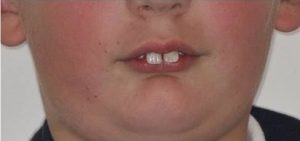
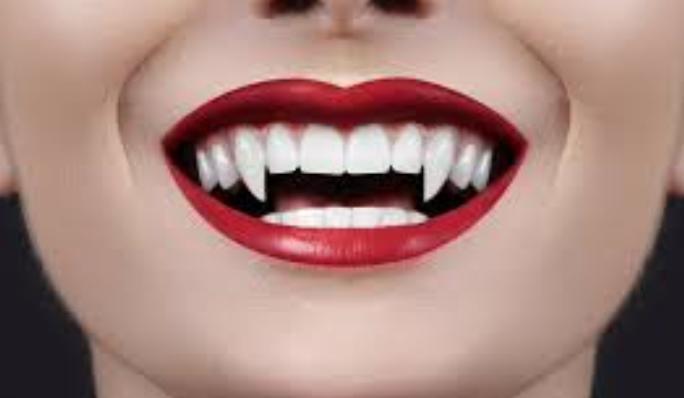
“Buck teeth” is a casual way of describing front teeth that protrude noticeably forwards. In orthodontics, this is often called an increased overjet – where the upper front teeth sit too far ahead of the lower front teeth.
People also use the phrase rabbit teeth when the upper incisors look large or very prominent in photos or when you smile. In some cases it is mostly a cosmetic concern, but for others it can affect your bite, speech, or even the way your lips rest.
Buck teeth can be caused by tooth position, jaw position, or a combination of both. When you look at protruding teeth correction, your orthodontist is really thinking about whether the problem is mainly dental, mainly skeletal, or somewhere in between.
Orthodontic bodies describe retainers as essential to stabilise tooth position after braces, because teeth and supporting tissues tend to move over time. But this same natural tendency is also why buck teeth can return.
Why Do I Have Buck Teeth After Braces?
If your front teeth have started to protrude again, you are not alone. Many people experience some degree of “orthodontic relapse” after treatment, especially if retainers are not worn as advised or if the bite was complex to begin with. Relapse can happen slowly, almost without you noticing at first, and then suddenly you realise your smile looks different from when the braces were removed.
After braces are removed, your teeth are held in their new positions mainly by your retainers. The periodontal ligaments around the teeth need time to settle, and without consistent retainer wear, the teeth can drift back towards their original positions — including becoming buck teeth again.
Research on orthodontic relapse shows that reduced daily retainer wear – for example, fewer than around nine hours a day in some studies – is linked with poorer alignment stability in the front teeth. Even occasional missed nights can lead to small shifts that become noticeable over time.
Natural Growth and Jaw Changes
Your face and jaws continue to change throughout adulthood. Even if you have worn your retainers well, slow natural changes in the jaw joints or facial structure can subtly alter the way your teeth bite together. These changes may push the upper front teeth slightly forward, creating a renewed “buck teeth” appearance.
Some people also experience late lower jaw growth, which can change the balance between the upper and lower teeth, making the upper front teeth look more prominent.
Thumb Sucking
Thumb or finger sucking — even if done subconsciously while falling asleep — places forward pressure on the upper front teeth. This can gradually cause them to flare outwards again, especially if the habit continues after braces. Even light, occasional sucking can influence tooth position over time.
Tongue Thrusting
Tongue thrusting is a swallowing pattern where the tongue pushes against or between the front teeth. Because the average person swallows hundreds of times a day, this constant force can slowly push the front teeth outward. If untreated, it can undo the effects of braces and lead to the return of buck teeth after treatment.
Myofunctional therapy or awareness training can help correct the swallowing pattern and protect your orthodontic results.
Missing Teeth, Extra Teeth, and Impacted Teeth
Teeth that are missing, extra, or impacted can create imbalances in the bite. When spaces open or close unpredictably, the front teeth may shift to compensate. For example, if a back tooth is missing or extracted without orthodontic planning, the remaining teeth can drift forward, pushing the upper incisors outwards.
Similarly, impacted teeth (such as canines that fail to erupt properly) can cause crowding pressure that affects the alignment of the front teeth and contributes to relapse.
Original Treatment Limits and Complex Cases
In some cases, braces alone were always going to be a compromise because the main issue lay in the jaw structure rather than just the teeth. If the upper jaw sits forward, the lower jaw sits too far back, or there is a significant skeletal discrepancy, braces may temporarily improve alignment — but the underlying jaw imbalance remains.
As you grow older, even minor changes in muscle activity or bite pressure can cause the buck teeth appearance to re-emerge. This is why some people who had braces as teenagers find that their teeth shift again in adulthood, despite wearing retainers reasonably well.
In such situations, long-term stability sometimes requires a combination of orthodontics with jaw alignment techniques or careful retention strategies tailored to the specific skeletal pattern.
How to Fix Buck Teeth After Braces
There is no single solution for how to fix buck teeth after braces. The right approach depends on how much relapse has occurred, whether the problem is mainly dental or skeletal, and how healthy your teeth and gums are. Your dentist or orthodontist will assess this with X-rays, bite measurements, and updated photos to determine the best way to move your front teeth back into alignment.
Most people fall into one of three groups: mild relapse that can be corrected with retainers, moderate relapse requiring aligners or braces, or more complex cases involving jaw position. Understanding which group you fall into helps you know what to expect during treatment.
Use Retainers for Buck Teeth
If your teeth have only shifted slightly, your orthodontist may recommend simply returning to full-time retainer wear. Sometimes the retainer itself can be modified to apply gentle pressure to the upper front teeth, nudging them back into position.
Retainers are one of the most reliable tools for maintaining and correcting mild relapse because they stabilise the teeth while the supporting tissues reorganise. If your original retainer no longer fits, a new one can be created or adjusted to address your specific overjet changes.
Professional bodies emphasise that retainers are long-term, sometimes lifelong appliances designed to keep results stable. Consistency is what protects you from repeated relapse.
Retainer Type
How It Helps
Best For
Typical Source
Clear removable retainer
Holds teeth in place; can provide light active pressure if modified
Mild relapse, cosmetic flaring, discreet wear
American Association of Orthodontists guidance
Wire (Hawley) retainer
Allows manual adjustment to the front wire for small tooth movements
Minor overjet reduction and shape adjustments
Orthodontic patient leaflets
Fixed bonded retainer
Wire bonded behind the teeth to stop forward movement
Long-term front-tooth stability
AAO and NHS information
Your clinician will explain whether retainer adjustments alone are enough or whether you need a more active form of protruding teeth correction. Never try to adjust a retainer yourself; even small bends can damage enamel or alter your bite.
Palate Expansion
Palate expansion is sometimes used when the upper jaw is too narrow, which can force the front teeth forward due to crowding or lack of space. Although most expansion occurs in younger patients, adults with mild to moderate crowding can still benefit from slow expansion techniques performed with special devices.
By widening the arch slightly, the teeth gain more room to align properly. This reduces the outward pressure on the incisors and helps prevent the “buck teeth” appearance from returning after braces.
Invisalign
Invisalign is one of the most well-known brands of clear aligners and is often used to correct mild to moderate buck teeth relapse. It works by guiding your teeth with a series of transparent trays, each applying controlled movement.
Invisalign for buck teeth can correct:
Slight flaring of the upper front teeth
Mild spacing or crowding
Small bite irregularities
It is discreet, removable, and easier to clean compared with traditional braces. However, treatment success depends heavily on wearing each tray for the required number of hours every day.
Use Clear Aligners
Clear aligners in general — not only Invisalign — offer a versatile, discreet way to fix buck teeth after braces. These systems rely on controlled, incremental movements planned digitally so that your front teeth gradually return to a balanced overjet.
They are especially helpful if you need slightly more movement than retainers can provide but do not require full braces. Aligners are also popular because they allow you to eat normally and clean your teeth without dealing with brackets or wires.
Still, they are not a universal solution. If your relapse is significant or related to jaw structure, aligners alone may not provide a stable, long-term result.
Orthodontic Re-treatment for Buck Teeth
For moderate to severe relapse, your orthodontist may suggest a repeat course of braces or a hybrid plan combining braces and aligners. This is common when the original bite issue was complex or when a significant amount of overjet has returned.
Orthodontic re-treatment for buck teeth correction usually aims to:
Re-align the upper front teeth to reduce the overjet
Balance the bite so the upper and lower teeth meet correctly
Correct any underlying crowding or spacing that has returned
The second round of treatment is often shorter than the first because the teeth and bone have already been trained once. However, long-term retention afterwards is essential to protect your investment and maintain your new smile.
Surgical Options for Severe Cases
When buck teeth are primarily caused by skeletal issues — such as a protrusive upper jaw or a retrusive lower jaw — surgery may be the only option for truly stable correction. This is typically recommended only in severe cases where tooth movement alone cannot fix the underlying imbalance.
Jaw surgery (orthognathic surgery) is usually combined with orthodontic treatment. First, braces or aligners position the teeth; then a surgeon repositions the jaw; finally, orthodontic adjustments fine-tune the bite.
This approach is more involved but can provide life-changing improvements in both aesthetics and function. It is reasonable to request a second opinion if surgery is suggested, as it is a major step compared with using braces.
Maintaining Results After Correction
Whatever route you take for how to fix buck teeth after braces, holding on to your results comes down to three main pillars: consistent retention, healthy habits, and regular check-ups.
Stick to Your Retainer Routine
Clinical guidance from orthodontic organisations suggests nightly retainer wear for at least the first year, followed by long-term part-time wear to keep teeth straight.
Many orthodontists now recommend retainers “for as long as you want your teeth to stay straight”.
Phase
Typical Retainer Use
Goal
Based On
Immediately after treatment
Full-time wear (except eating and cleaning)
Stabilise teeth in new positions
AAO and NHS advice
First 12 months
Mainly night-time wear
Support bone and gum remodelling
Orthodontic leaflets
Long term
Night-time, several nights per week or nightly
Reduce risk of relapse, including buck teeth
Orthodontic retention studies
Think of retainers as a normal part of adult life, similar to wearing glasses or using sunscreen. Making them part of your bedtime routine can help prevent another round of buck teeth correction later on.
Address Habits That Push Teeth Forwards
If you tend to push your tongue against your front teeth, bite nails or pens, or rest your lower jaw far back, it is worth mentioning this to your dentist. Sometimes myofunctional therapy or simple behaviour changes can support the results of protruding teeth correction.
Maintain Good Oral Hygiene and Gum Health
Healthy gums and bone are essential for keeping teeth in place. Brushing twice daily with fluoride toothpaste, cleaning between the teeth, and attending regular dental check-ups all help to keep the foundations of your teeth stable, especially while you wear retainers or aligners.
Habit
Why It Matters
Impact on Buck Teeth
Night-time retainer wear
Directly holds teeth in corrected position
Reduces risk of front teeth flaring forwards again
Thumb / finger habit control
Removes pressure behind upper incisors
Helps prevent return of “rabbit teeth” look
Regular dental check-ups
Early detection of movement or retainer issues
Allows small corrections before major relapse
Consulting with a Dentist
If you are worried that your teeth are becoming buck teeth again after braces, the most important step is to arrange an assessment with your dentist or orthodontist. Online information can guide you, but it cannot replace a professional examination.
At your appointment, you can expect your clinician to:
Ask when your braces were removed and how you have used your retainers
Check the health of your teeth, gums, and any existing retainers
Measure your overjet and overbite and take photographs
Discuss options such as enhanced retainer wear, clear aligners, or re-treatment
Always mention any discomfort, jaw clicking, or difficulty biting into foods, not just cosmetic concerns. This helps your clinician judge whether your buck teeth correction plan needs to focus mainly on appearance, function, or both.
This article is for general information only. It is not a substitute for a personal consultation with a qualified dentist or orthodontist who can assess your individual situation.
Frequently Asked Questions
1. Can buck teeth return after braces?
Yes, buck teeth can return after braces. This is called orthodontic relapse and is usually linked to reduced retainer wear, natural changes in the jaws, or habits like thumb sucking and tongue thrusting. Long-term retention is the main way to minimise this risk.
2. How long should I wear a retainer?
Guidance from orthodontic organisations generally advises night-time wear for at least the first year, followed by long-term part-time wear. Many clinicians now suggest retainers should be worn indefinitely, as teeth can shift at any age.
3. Are clear aligners effective for buck teeth after braces?
Clear aligners can be very effective for mild to moderate relapse of buck teeth, especially when the issue is mainly dental rather than skeletal. They are less suitable for severe jaw discrepancies, where traditional braces or even surgery may be needed. Your orthodontist will advise based on your case.
4. When is surgery necessary for buck teeth?
Surgery is usually considered only when buck teeth are caused mainly by the jawbones rather than tooth position alone. If the upper jaw is too far forwards or the lower jaw too far back, braces or aligners on their own may not provide a stable solution, and jaw surgery may be discussed.
5. How much does it cost to fix buck teeth after braces?
The cost of fixing buck teeth after braces varies widely. Factors include whether you only need new retainers, a short course of clear aligners, full orthodontic re-treatment, or surgery. Your dentist or orthodontist can provide a tailored estimate after examining your teeth and discussing your goals.
Conclusion
Seeing buck teeth return after braces can be disheartening, but it does not mean your earlier treatment has failed. In most cases, there are realistic options – from adjusted retainers for buck teeth to Invisalign for buck teeth or further orthodontic care – to improve your smile again.
The key is to act early, get a professional opinion, and commit to a long-term plan for retention and healthy habits. By understanding how to fix buck teeth after braces and how to protect the results, you give yourself the best chance of a confident, stable smile for years to come.
Chacón-Moreno A, Salazar M, Núñez I, et al. Relapse and inadvertent tooth movement post orthodontic treatment in individuals with fixed retainers: a review. Revista Científica Odontológica. 2022. Available from:
https://pmc.ncbi.nlm.nih.gov/articles/PMC10880701/
Inchingolo F, Campanelli M, Avantario P, et al. Orthodontic relapse after fixed or removable retention devices: an applied clinical study. Applied Sciences. 2023;13(20):11442. Available from:
https://www.mdpi.com/2076-3417/13/20/11442
Olteanu ND, et al. The effectiveness of clear aligners in controlling tooth movement: a scoping review. Medicina. 2025;61(6):1113. Available from:
https://www.mdpi.com/1648-9144/61/6/1113
Hi, I’m Dr. Lin, a cosmetic dentist with over 3 years of clinical experience. I specialize in aesthetic dentistry and digital treatment technologies. My focus areas include porcelain veneers, invisible orthodontics, dental implants, and full-mouth rehabilitation. I believe every smile deserves to be beautifully crafted, and I take pride in tailoring each treatment to the unique needs of my patients.
Beyond the clinic, I regularly speak at dental conferences and participate in community oral health initiatives. Helping people smile with confidence is what drives me every day.