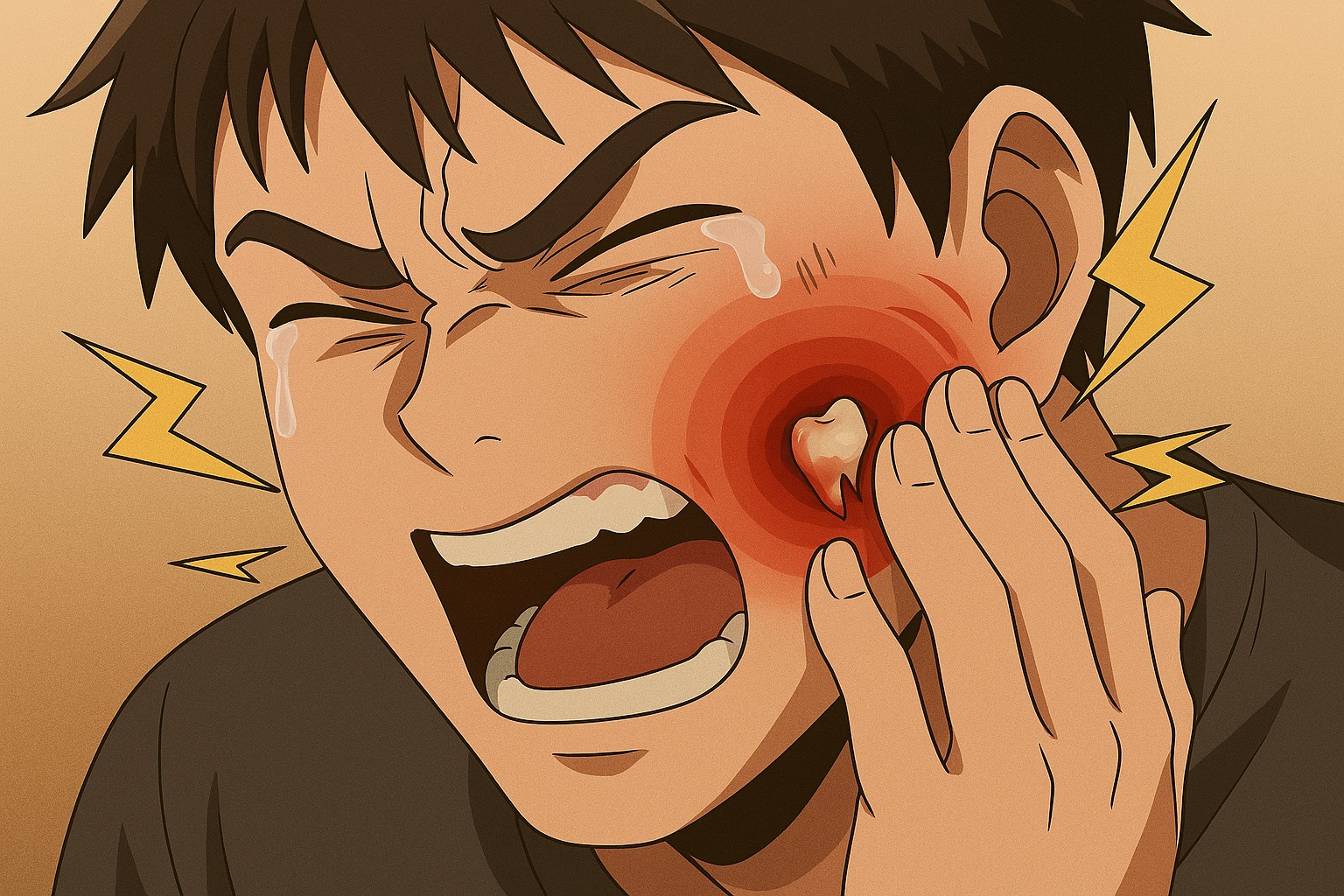
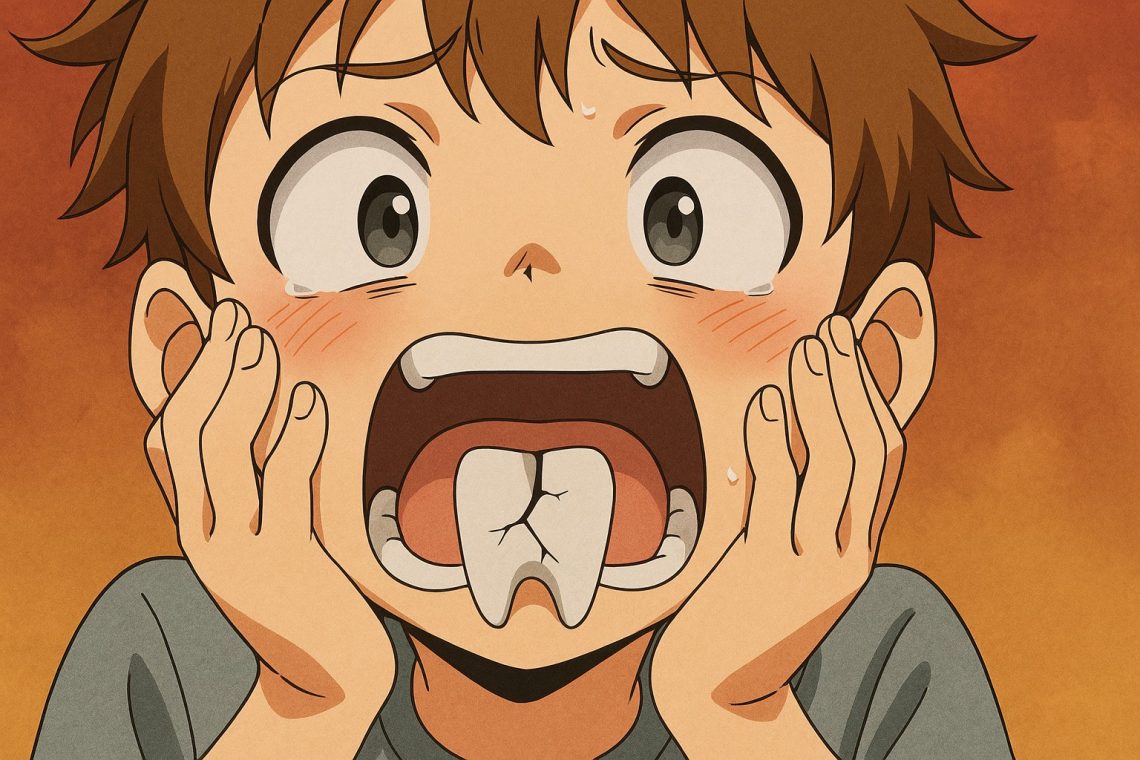
A cracked tooth (also referred to as a fractured tooth) is a common dental problem that can range from a superficial enamel line to a serious structural break that threatens the tooth’s survival. In Singapore and elsewhere in 2025, many people search for ways to manage pain and inflammation at home for a cracked tooth or cracked teeth before they can see a dentist. While natural remedies can provide short-term relief and reduce infection risk, professional assessment and treatment are often necessary to preserve the tooth, especially if the crack extends into the pulp or root.
What Is a Cracked Tooth?
A cracked tooth refers to a break in the hard outer layer (enamel) or deeper dentine and pulp of a tooth. A fractured tooth is a broader term encompassing several patterns of breakage. A tooth split is generally when a crack progresses so far that the tooth separates into distinct segments. Understanding the terminology helps you decide whether a natural, conservative approach is reasonable or whether urgent dental care is required.
Types of Tooth Cracks
Cracks vary in shape, depth, and severity. Understanding the differences between them helps you recognise when you might need urgent dental attention. Below is a detailed guide to the most common forms of cracked teeth and fractured tooth conditions seen in everyday dental practice.
| Type | Description | Typical Symptoms | Image Example |
|---|---|---|---|
| Cracked tooth | A vertical crack that runs from the biting surface down toward the gum line. In more severe cases, it can extend beneath the gum and into the root, threatening the tooth’s stability. | Sharp pain when biting, discomfort when releasing the bite, and occasional aesthetic concerns if visible. | |
| Fractured cusp | Occurs when a section of a tooth’s chewing surface breaks away, often around a dental filling. Usually, it does not affect the root or pulp. | A sharp or rough edge; mild pain when chewing; sensitivity to pressure or temperature changes. | |
| Split tooth | The tooth has split completely into two distinct segments, often due to an untreated crack that has worsened over time. It’s usually irreversible and may require extraction. | Severe pain when chewing, visible separation, and movement of one part of the tooth. | |
| Vertical root fracture | A subtle crack that starts at the tooth root and travels upward toward the chewing surface. Often seen in teeth with previous root canal treatment. | May cause mild pain, swelling around the gums, or infection without obvious visible damage. | 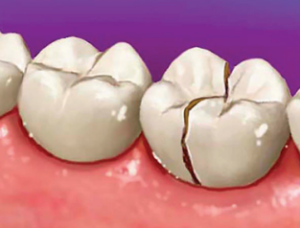 |
| Source: Adapted from Singapore Dental Association Clinical Guidelines, 2025. | |||
Each of these cracks requires a different approach to management. While minor issues like a fractured cusp may be repaired with bonding or a filling, a split tooth often cannot be saved. If you experience persistent pain or notice visible lines on your teeth, visit your local Singapore dental clinic promptly for assessment and treatment.
Difference Between Cracked Tooth and Enamel Craze Line
At first glance, cracked teeth and enamel craze lines may look similar — both show thin lines across the tooth surface. However, they are very different conditions in terms of severity, symptoms, and treatment needs.
Enamel Craze Line – Cosmetic, Not Clinical
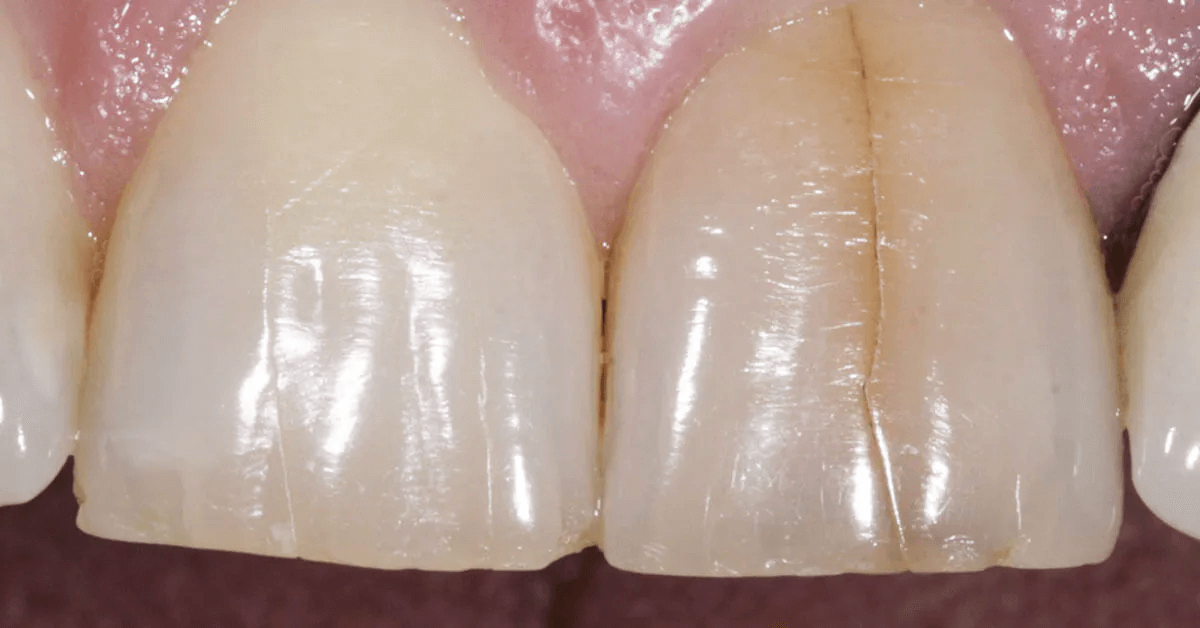
Craze lines are superficial micro-fractures limited to the outer enamel layer. They commonly appear as faint vertical lines, especially on front teeth, and are usually caused by years of chewing, temperature changes, or biting hard foods.
-
They don’t cause pain or sensitivity.
-
They don’t weaken the tooth structure.
-
Usually, no treatment is required — only monitoring or cosmetic polishing if the appearance bothers you.
Cracked Tooth – A Structural Break
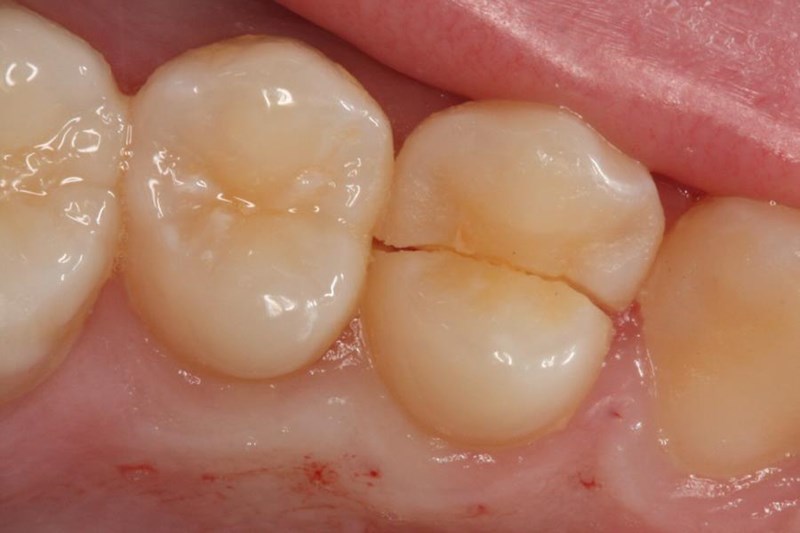
A cracked tooth extends beyond the enamel into the dentin or even the pulp (nerve chamber). It can start as a small line and progress deeper over time if untreated.
-
Symptoms include pain when biting or chewing, sensitivity to hot or cold, and discomfort that comes and goes.
-
Cracks may trap bacteria, leading to inflammation or infection.
-
Professional treatment is needed — often a dental crown or root canal to prevent further damage or tooth loss.
Table 2: The Differences between enamel craze line and cracked tooth
| Feature | Enamel Craze Line | Cracked Tooth |
|---|---|---|
| Depth | Surface-level only | Extends into dentin or pulp |
| Pain | None | Sharp pain when biting |
| Visibility | Thin, often multiple lines | One distinct, deeper line |
| Treatment | Usually none | Dental restoration or crown |
Fractured Tooth Symptoms: How to Know You Have a Crack
Symptoms of a cracked tooth vary widely. Some cracks are asymptomatic; others produce sharp, intermittent pain. Your description of how and when pain occurs is a reliable clue for diagnosis.
Physical Signs
Common signs include sharp pain when chewing, particularly when you release the bite; sensitivity to hot or cold liquids and sweets; localised swelling; or persistent discomfort around a single tooth. Pain that comes and goes or is difficult to pin down often suggests an incomplete crack that flexes under pressure.
Visual Clues
Visual indicators can include hairline cracks, slight discolouration of a tooth, or an obviously broken tooth where a portion has fractured but remains partly attached. Sometimes cracks are only visible under magnification or on dental radiographs.
| Symptom | Likely Severity | Immediate Action |
|---|---|---|
| Intermittent sharp pain on biting | Moderate | Avoid chewing on the side; arrange dental review |
| Hot/cold sensitivity | Low–moderate | Use desensitising toothpaste; see dentist if persistent |
| Swelling or pus | High | Seek urgent dental care; antibiotics may be needed |
| Visible split or mobility | High | Do not attempt to save at home; see dentist immediately |
| Source: Clinical practice summary adapted for patient guidance, 2025. | ||
Common Causes of a Cracked or Fractured Tooth
A crack tooth or dental crack can occur for many reasons — some sudden and accidental, others progressive over time. Understanding what leads to a fractured tooth helps you take preventive steps and protect your smile from further damage. Below are the most common causes encountered in daily life and dental practice across Singapore.
Everyday Causes
Many cracks begin with habits or daily situations that put excessive pressure on the teeth. Even if they seem harmless, these small actions can lead to long-term structural damage.
- Biting hard foods: Chewing ice, popcorn kernels, or hard sweets can create micro-fractures that deepen over time.
- Sudden temperature shifts: Alternating between hot soup and iced drinks causes rapid expansion and contraction of enamel, weakening its structure.
- Bruxism (teeth grinding): Common during sleep or stressful periods, it exerts continuous force that may result in a dental crack.
- Age-related enamel thinning: As enamel wears down with age, especially after 40, teeth become more vulnerable to cracking.
- Chewing pens or using teeth as tools: Using teeth to open packets, cut tape, or hold objects exerts unnatural stress on them.
- Sudden impact or biting imbalance: An uneven bite (malocclusion) or a sudden force on one tooth can create stress points leading to a vertical crack.
Dental Factors
Beyond daily habits, several clinical and lifestyle-related conditions can make your teeth more prone to damage. These are often cumulative and may only show symptoms when the crack deepens.
- Poor oral hygiene: Plaque and decay weaken enamel, making it more susceptible to cracks under pressure.
- Untreated cavities: Cavities hollow out the tooth from within, reducing structural integrity.
- Large dental fillings or restorations: Teeth with old, oversized fillings lose some natural support and are more likely to fracture.
- Trauma or injury: Falls, contact sports, or sudden facial blows can cause a fractured tooth or even a complete tooth split.
- Previous root canal treatments: Teeth that have undergone endodontic therapy can become more brittle due to loss of inner vitality.
Lifestyle Factors
- Dietary and lifestyle habits: Regular consumption of acidic beverages (soft drinks, lemon water) and smoking can erode and dehydrate enamel, increasing fragility.
- Stress-related habits: Chronic stress often leads to unconscious jaw clenching, a major cause of cracked teeth among working adults in Singapore’s high-paced lifestyle.
| Category | Specific Risk | Preventive Tip |
|---|---|---|
| Physical stress | Teeth grinding, jaw clenching, or chewing hard foods | Wear a night guard; avoid using teeth to open items. |
| Dental health | Old fillings, untreated decay, enamel erosion | Schedule regular check-ups and restorations when needed. |
| Lifestyle habits | High-acid diet, frequent caffeine, smoking | Drink water after acidic meals and limit soft drinks. |
| Source: Singapore Dental Association (SDA) Clinical Advisory 2025. | ||
Even small changes in your routine can reduce the risk of developing a dental crack. Using a soft-bristled toothbrush, maintaining regular dental visits, and managing stress through mindfulness or mouthguards are simple yet effective steps towards protecting your teeth from future fractures.
Does a Cracked Tooth Need to Be Pulled?
One of the most common concerns patients have after discovering a cracked tooth is whether extraction is unavoidable. In most cases, a cracked or fractured tooth does not need to be pulled immediately. The decision depends on several factors — including the depth and direction of the crack, the tooth’s location, the presence of infection, and how much healthy structure remains. With modern dental techniques, many cracked teeth can be saved through restorative or endodontic treatment, making extraction a true last resort.
When Extraction Is Necessary
Extraction is usually considered only when the crack has compromised the tooth beyond repair. For instance, if the fracture line extends below the gum line into the root, it becomes nearly impossible to restore stability or maintain hygiene in that area. This type of injury — known as a vertical root fracture — often results in chronic pain, recurrent infection, or bone loss, leaving removal as the safest solution.
Other situations that may require extraction include:
- Split tooth: When the tooth separates into two or more distinct segments that move independently, restoration is no longer predictable.
- Severe infection: If bacteria have spread from the pulp chamber to the bone or adjacent teeth, extraction prevents further damage.
- Extensive decay: A tooth that is both cracked and heavily decayed loses most of its supporting structure and may not hold a crown securely.
- Failed prior treatments: Teeth that have already undergone multiple root canals or crown replacements may eventually lose structural integrity and require extraction.
In such cases, your dentist may recommend removing the affected tooth and replacing it with a dental implant, bridge, or partial denture to restore function and aesthetics. Prompt replacement helps prevent neighbouring teeth from shifting and maintains bite alignment.
When It Can Be Saved
Fortunately, many cases of a cracked tooth can be treated successfully without extraction. Superficial enamel cracks — often called craze lines — are harmless and usually require no treatment beyond cosmetic polishing. For more noticeable cracks that affect only part of the tooth, your dentist can restore both appearance and function through minimally invasive procedures.
Common treatment options for saving a cracked tooth include:
- Dental bonding or composite restoration: Suitable for small, localised cracks that have not reached the dentine or pulp.
- Crown placement: A custom crown can encase and stabilise the tooth, preventing the crack from deepening under chewing pressure.
- Root canal therapy: If the pulp (nerve) is inflamed or exposed but the surrounding root and bone remain healthy, a root canal removes infection while preserving the tooth’s outer structure.
- Onlays or inlays: For moderate cracks, partial ceramic restorations can reinforce the tooth without requiring full coverage.
Modern dental materials, such as zirconia and reinforced ceramics, offer strong and natural-looking results, allowing many patients to keep their natural teeth for years after treatment. Early diagnosis is key — the sooner a crack is detected, the more likely it can be repaired without extraction.
Professional Cracked Tooth Treatment Options
▶ Watch: Cracked Tooth Treatment Explained
When home care and pain relief are no longer enough, dentists in Singapore have several professional ways to repair a cracked tooth. Think of these treatments as different “levels of repair” — just like how a mechanic decides whether your car needs a small patch, a full panel replacement, or a new engine. Below are the most common professional treatments and how they help restore your smile.
Dental Bonding
Bonding is like applying a protective “sealant patch” over a tiny chip or surface crack. Your dentist uses a tooth-coloured resin — a smooth, sculptable material — to fill the line and restore the tooth’s shape. It’s a quick, affordable solution for small cracks that haven’t reached the inner layers of the tooth.
Just like repainting a scratch on a car door, bonding makes the tooth look good as new while keeping bacteria out. Over time, the material may need to be refreshed, but it’s an excellent first line of defence for minor enamel fractures.
Image: Dental Bonding (Source: Cleveland Clinic)
Dental Crown
A dental crown acts like a helmet or protective shell that covers the entire tooth. When a tooth has a large fracture or a corner breaks off, a crown prevents it from flexing under pressure — much like reinforcing a cracked mug with a sturdy outer layer so it doesn’t split further.
Crowns are made from strong materials such as porcelain or zirconia and are custom-shaped to blend seamlessly with your smile. They’re the go-to treatment for teeth with significant cracks or fractured cusps that affect chewing.
Image: Dental Crown (Source: Cleveland Clinic)
Root Canal
Image: Root Canal(Source: Cleveland Clinic)
When the crack travels deep enough to reach the pulp — the soft inner “nerve” of the tooth — a root canal becomes necessary. This treatment is like removing a spoiled fruit core but keeping the rest of the fruit intact. The dentist cleans out the infected or inflamed pulp, seals the space, and then protects the tooth with a crown.
Root canal therapy not only relieves pain but also saves the root, preventing the need for extraction. With proper care, a tooth that has undergone a root canal can last as long as any other tooth.
Dental Filling
A filling is used for small cracks or chips — similar to patching a small pothole before it turns into a major road split. The dentist removes any weakened or sharp edges, fills the gap with a composite material, and polishes the surface for a smooth finish. This restores both comfort and function while preventing further wear or sensitivity.
Veneer
When the crack is mostly cosmetic and affects a front tooth, a veneer can act like a new “skin” or porcelain cover that hides imperfections. It improves appearance and provides light reinforcement, but like a thin phone screen protector, it’s not suitable for deep or structural cracks.
Veneers are ideal when aesthetics matter most — such as covering faint craze lines or small chips that don’t compromise the tooth’s core strength.
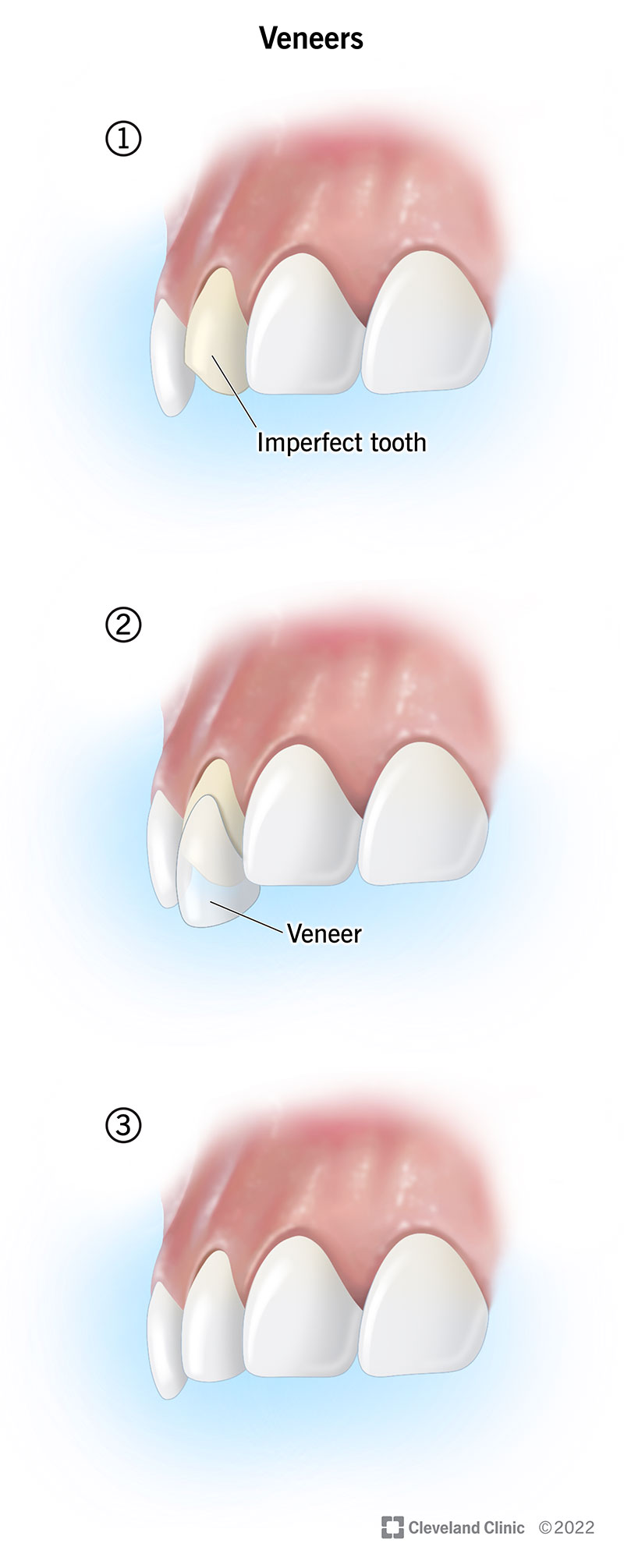
Image: Veneer(Source: Cleveland Clinic)
Extraction
Extraction is considered the “last resort” — like retiring a damaged building when the foundation can’t be safely repaired. If the crack runs vertically down to the root, or if the tooth splits into two separate pieces, saving it is no longer predictable.
In such cases, removing the tooth stops infection and pain. Afterwards, replacement options such as dental implants, bridges, or removable dentures can restore your bite and smile. Modern prosthetics look and feel natural, and your dentist will help tailor the solution to your needs and budget.
| Treatment | When Used | Key Benefit | Typical Follow-up |
|---|---|---|---|
| Bonding | Minor enamel cracks | Conservative, low cost | Monitor; may need replacement after 5–10 years |
| Crown | Large fractures, fractured cusps | Protects tooth structure | Routine check; lasts 10+ years with care |
| Root canal + crown | Crack into pulp | Saves the tooth root | Periodic reviews and radiographs |
| Extraction | Irreparable split/root fracture | Eliminates infection source | Discuss replacement options |
| Source: Dental treatment framework adapted for patient guidance, Singapore, 2025. | |||
How to Prevent a Cracked or Fractured Tooth
When it comes to cracked teeth, prevention truly is the best treatment. Most cracks happen not because of one dramatic event but due to small, repeated habits that wear down the tooth over time — much like how a small chip on glass can spread if it’s not handled carefully. With consistent care and mindful habits, you can greatly reduce your risk of dental fractures and keep your smile strong for life.
Everyday Prevention Tips
Think of your teeth as finely crafted porcelain — strong, but not indestructible. Simple daily precautions can help you protect them from avoidable stress and damage:
- Avoid hard foods and sudden forces: Crunching ice cubes, biting into unpopped popcorn kernels, or chewing hard nuts can cause micro-fractures. Instead, chew slowly and avoid using teeth to “test strength.”
- Don’t use your teeth as tools: Opening bottles, tearing packets, or biting tags might seem convenient but can easily chip or crack enamel. Keep small scissors or a multitool handy — your teeth aren’t designed for packaging work!
- Manage teeth grinding (bruxism): Night-time grinding exerts up to ten times normal biting pressure. Ask your dentist about a custom-made night guard to cushion your teeth while you sleep.
- Address misalignment and bite problems: Uneven pressure from crooked teeth can concentrate force on certain points, making cracks more likely. Orthodontic evaluation may help distribute bite forces evenly.
- Be cautious with sudden temperature changes: Rapidly alternating between hot drinks and cold foods (like sipping hot soup followed by iced water) causes enamel to expand and contract, increasing the risk of surface cracks.
- Schedule regular dental check-ups: In Singapore, visiting your dentist every 6–12 months helps detect early signs of wear, cracks, or weakened fillings before they cause pain or structural damage.
Strengthening Teeth Naturally
Your teeth are living structures — they may not “heal” like skin, but they can become stronger through good nutrition, hydration, and fluoride support. Think of it like reinforcing a bridge: when you supply the right materials, the structure can resist daily wear better.
- Eat a mineral-rich diet: Include calcium-rich foods such as dairy products, tofu, and fortified plant-based milks. Pair them with foods high in vitamin D (like eggs, fish, or fortified cereals) to enhance absorption.
- Stay hydrated: Saliva acts as your mouth’s natural defence — washing away food particles and neutralising acids. Aim to drink water throughout the day, especially after meals or coffee.
- Use fluoride toothpaste twice daily: Fluoride helps remineralise weak spots in enamel, making teeth more resistant to future cracks and decay.
- Limit acidic foods and drinks: Soft drinks, citrus fruits, and vinegar-based dressings can erode enamel over time. Rinse your mouth with water after consuming them instead of brushing immediately.
- Choose crunchy, fibre-rich foods: Raw fruits and vegetables like apples, carrots, and celery gently clean the teeth while stimulating saliva production — nature’s way of keeping your mouth balanced.
- Get enough sunlight: In sunny Singapore, 10–15 minutes of morning or late-afternoon sun exposure helps your body produce vitamin D naturally, supporting strong teeth and bones.
Professional Preventive Care
Prevention also involves professional monitoring. Dentists can spot tiny stress lines or weak fillings long before they develop into full cracks. They may recommend:
- Fluoride varnish or gel applications during check-ups to harden enamel.
- Replacing old, large fillings that no longer support the tooth properly.
- Custom bite guards for athletes and those who grind or clench their teeth.
By combining everyday care with professional monitoring, you can prevent most cracked or fractured teeth — saving yourself future discomfort and expensive treatments. Prevention is a lifelong partnership between your habits and your dentist’s guidance.
Natural and Home-Based Measures for Immediate Relief
If you suspect a fractured tooth and cannot see a dentist immediately, the following measures can reduce pain and infection risk. These are temporary measures, not substitutes for professional care.
- Rinse your mouth with warm salted water (half a teaspoon of salt in 200–250 ml warm water) to reduce bacterial load and soothe tissues.
- Take over-the-counter analgesics such as paracetamol or ibuprofen according to the product instructions and your medical history—do not exceed recommended doses.
- Use a desensitising toothpaste containing potassium nitrate for sensitivity relief; brush gently.
- Apply a cold pack to the outside of the cheek for 10–15 minutes if there is swelling (wrap the pack in a cloth).
- If a sharp fragment is irritating soft tissues, cover it temporarily with dental wax (available at pharmacies) until you can see a dentist.
Avoid home remedies that encourage infection (for example, do not attempt to cut or remove a firmly attached tooth fragment yourself). If there is pus, fever, or spreading swelling, seek urgent dental or medical care.
Conclusion
A cracked tooth or fractured tooth can often be managed in the short term with sensible natural measures, but these do not replace professional fractured tooth treatment. Early dental assessment improves the chance your tooth can be saved with bonding, a crown, or root canal therapy. Extraction is reserved for irreparable cases. In Singapore in 2025, timely dental review combined with improved prevention (diet, mouthguards, safer habits) will give you the best long-term outcomes.
Frequently Asked Questions
1. How Urgent Is a Cracked Crown?
It is crucial to address a cracked crown as soon as possible. A cracked crown can leave the natural tooth vulnerable to fractures or breakage, making timely dental intervention essential. Symptoms like increased sensitivity or pain should not be overlooked, as they could signal underlying problems that need prompt care.
2. Can a cracked tooth heal naturally without a dentist?
Teeth do not “heal” structural cracks on their own. Small enamel craze lines remain stable, but deeper cracks that reach the dentine or pulp will progress without treatment and risk infection or tooth loss. Use natural measures for pain relief but arrange dental evaluation promptly.
3. If my tooth is cracked in half but still attached, what are my likely options?
If the tooth is cracked in half but segments are still attached, the dentist will assess whether the pulp and root are salvageable. Options include root canal therapy plus a crown, or extraction if the split extends below the gum line. Early intervention improves the odds of saving at least part of the tooth structure.
4. Will a crown stop a crack from getting worse?
A well-fitted crown redistributes biting forces and can prevent further propagation of many types of cracks. However, if the crack already extends into the root or pulp, additional treatment such as root canal therapy may be needed to address infection or pain.
5. How should I care for a cracked tooth while waiting for treatment?
Avoid chewing on that side, use a soft diet, maintain good oral hygiene, use warm salted rinses and recommended analgesics, and book a dental appointment as soon as possible—public and private dental clinics in Singapore can triage symptomatic patients quickly.
Disclaimer: This article is for general educational purposes and does not replace professional dental advice. Treatment options and clinical judgement should be discussed with a licensed dentist. All clinical references adapted for patient information, Singapore, 2025.
References
-
Penn Pacific Dental Center
🔗 https://www.sciencedirect.com/science/article/pii/S1882761622000278
-
Zhang, S., Xu, Y., Ma, Y., Zhao, W., Jin, X., & Fu, B. (2024). The treatment outcomes of cracked teeth: A systematic review and meta-analysis. Journal of Dentistry, 139, 104843.
🔗 https://www.sciencedirect.com/science/article/pii/S0300571224000137 -
Korkut, B., Tüter Bayraktar, E., Tağtekin, D., Çolak, H., & Özcan, M. (2023). Cracked Tooth Syndrome and Strategies for Restoring. Current Oral Health Reports, 10, 212-222.
🔗 https://link.springer.com/article/10.1007/s40496-023-00352-1 -
“A narrative review of cracks in teeth: Aetiology, microstructure and clinical management.” (2023). Journal of Dentistry, 132, 104605.
🔗 https://www.sciencedirect.com/science/article/pii/S0300571223002695 -
Jiang, N. N., et al. (2022). Diagnosis of cracked tooth: Clinical status and research progress. Japanese Dental Science Review, 58, 123-134.
🔗 https://www.sciencedirect.com/science/article/pii/S1882761622000278