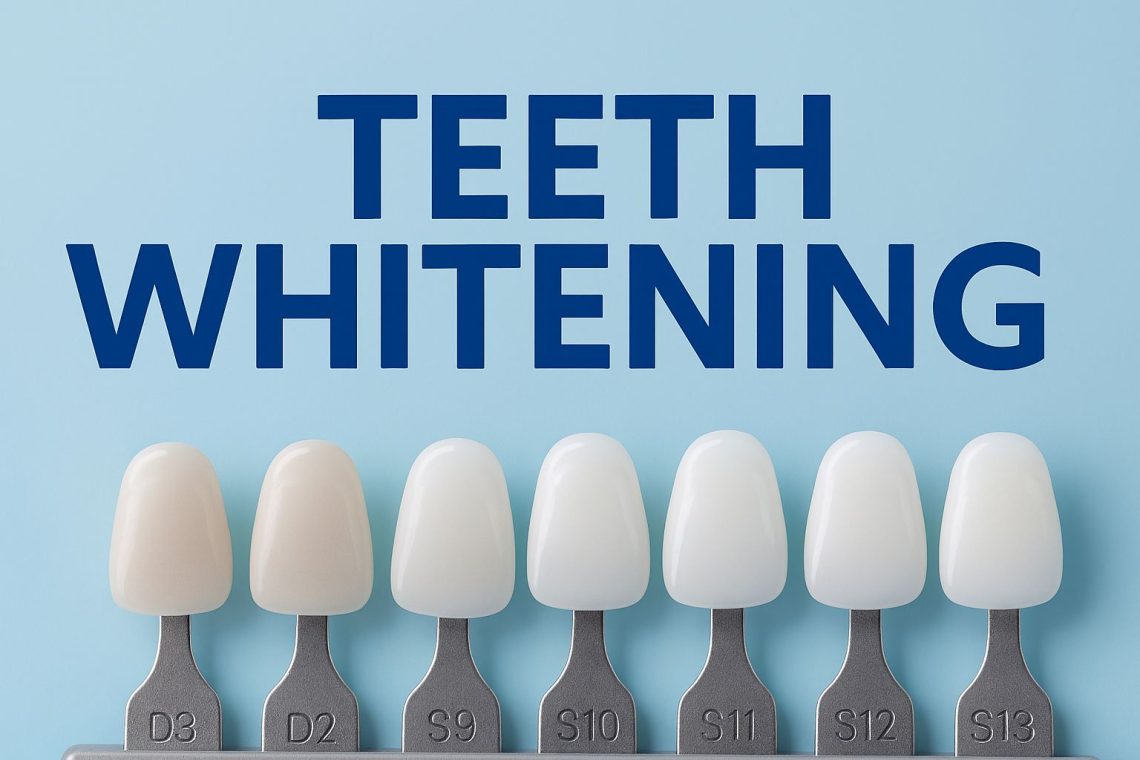
Do you wish your teeth were naturally whiter without harsh chemicals or expensive dental procedures? You’re not alone. In Singapore, many people want a brighter smile while keeping things gentle, wallet-friendly, and guided by sound dental advice. This guide explains how to whiten teeth naturally using everyday habits and safe home ingredients. It also tells you when to consider a professional teeth whitening procedure, and how to decide based on teeth whitening cost, comfort, and results.
Why You Need Teeth Whitening?
Your smile plays a huge role in how confident you feel. Over time, however, it’s normal for teeth to lose their natural brightness. Even if you brush regularly, lifestyle habits and ageing gradually cause teeth to appear dull or yellow. Teeth whitening helps by restoring your teeth’s natural brightness. It improves your overall appearance without changing your enamel.
Tooth colour changes mainly because of two types of discolouration:
- Extrinsic stains – These are surface stains caused by everyday foods and drinks such as coffee, tea, red wine, curry, and soy sauce. Smokers often develop deeper stains because nicotine and tar seep into enamel pores, creating a persistent yellowish hue.
- Intrinsic stains – Intrinsic stains happen inside the tooth and can be caused by aging, certain medications, or trauma. These stains are usually harder to remove and often require professional whitening or custom trays prescribed by a teeth whitening dentist.
In Singapore’s tropical lifestyle, daily routines like sipping kopi, bubble tea, or herbal tonics throughout the day, or enjoying richly coloured local dishes such as laksa and beef rendang, can accelerate staining. Even healthy habits like frequent snacking can leave pigment residues that stick to the tooth’s surface layer (called the pellicle). Without consistent cleaning, these gradually build up, making teeth look older and less vibrant.
Whitening can boost confidence, improve your smile aesthetics, and help you maintain better oral hygiene. When your teeth look brighter, you’re more motivated to maintain your cleaning routine and stay away from stain-causing habits. A well-executed teeth whitening procedure can also make restorations (like fillings and veneers) match your natural teeth more evenly, creating a balanced, youthful look.
Ultimately, professional or natural whitening serves as both a cosmetic and psychological refresh. It’s a safe, non-invasive way to enhance your smile and leave a more polished impression — whether you’re heading for an interview, wedding, or simply want to feel more confident in everyday interactions.
How to Whiten Teeth Naturally
Below are seven dentist-approved, low-risk ways to whiten teeth naturally. They focus on stain prevention and gentle removal so you improve colour while protecting enamel. Where relevant, we’ll flag safety notes and when to involve a teeth whitening dentist.
1. Brushing with Baking Soda
Baking soda is mildly abrasive. Used occasionally (for example, once or twice a week) it helps lift surface stains without stripping enamel. Many whitening toothpastes blend baking soda with fluoride for stain removal and remineralisation. Do not scrub aggressively; use a soft brush with light pressure to avoid abrasion on exposed root surfaces.
2. Oil Pulling with Coconut Oil
Oil pulling (swishing 1 tablespoon of coconut oil for 5–10 minutes before brushing) can reduce plaque and bacteria that harbour pigments, helping teeth look cleaner. It’s not a bleach, but consistent use helps keep extrinsic stains from settling.
3. Using Hydrogen Peroxide Carefully
Hydrogen peroxide (HP) is the active ingredient behind most whitening systems. At home, keep to low concentrations and short contact times; overuse can cause sensitivity. In Singapore, products sold directly to the public should contain ≤0.1% HP (or equivalent) unless they’re dispensed by a registered dentist, per local guidance. Stronger formulas belong in the clinic, where a professional isolates gums and manages sensitivity.
4. Eating Crunchy Fruits and Vegetables
Fibre-rich foods like apples, celery, and carrots gently “polish” as you chew and stimulate saliva, which neutralises acids and washes away pigments. Rinse with water after citrus or acidic fruit to reduce enamel softening before you brush.
5. Avoiding Stain-Causing Drinks
Coffee, tea, and red wine are the biggest culprits in Singapore diets. If you must indulge, drink in one sitting (rather than sipping all day), use a straw for iced versions, and rinse with water afterwards. These steps help protect your before and after gains from natural whitening. If you’ve just completed a teeth whitening procedure, avoid coloured drinks for 24–48 hours while the enamel is most absorbent.
6. Practising Good Oral Hygiene
Consistency is the “natural bleach”. Brush twice daily with a fluoride toothpaste, floss nightly, and consider a whitening mouthwash. Professional scaling and polishing twice a year removes tartar and plaque film so stains can’t anchor. (Scaling can be CHAS-subsidised for eligible cardholders; cosmetic whitening is generally not subsidised.)
7. Professional Support for Natural Whitening
Natural methods plateau. If you want a brighter shade for a wedding, job interview, or CNY photos, a teeth whitening dentist can tailor a plan (e.g., short in-clinic boost plus a gentle home top-up) to keep things enamel-safe. In Singapore, dentists follow clear guidance on peroxide concentrations and isolation to minimise sensitivity and gum irritation.
When to Consider a Professional Teeth Whitening Procedure
If you’re chasing a clear shade jump for a fixed date, have deep stains (e.g., tetracycline bands) or uneven tones, or you’ve hit a plateau with home care, book a teeth whitening dentist. In Singapore, teeth whitening Singapore cost varies by clinic and system:
| Treatment Type | Indicative Cost (SGD) | What to Expect |
|---|---|---|
| Dentist-prescribed take-home kit | $400–$600 | Custom trays; gradual results over 1–2 weeks. |
| In-office (LED/laser/Zoom-type) | $800–$1,300 | Fast results in 1 visit; soft-tissue isolation and desensitisers. |
| Publicly listed clinic examples | $499–$1,308+ | Examples from local clinics’ published pricing. |
Notes: Always confirm inclusions (consultation, shade charting, number of gel cycles, desensitiser, follow-up). Whitening is cosmetic and not CHAS-subsidised; preventive scaling/polishing may be.
Teeth Whitening Procedure
1. Consultation and Oral Examination
Your dentist will first examine your teeth and gums to ensure they are healthy enough for whitening. This step rules out issues such as cavities, gum disease, or exposed roots. Photographs or shade guides are often used to record your starting tooth colour.
2. Cleaning and Preparation
Before whitening, your teeth are professionally cleaned to remove surface plaque and tartar. The dentist then isolates your gums and lips using a protective barrier or gel to prevent irritation from the whitening agent.
3. Application of Whitening Gel
A whitening gel—usually containing hydrogen peroxide or carbamide peroxide—is carefully applied to the surface of your teeth. These ingredients work by breaking down stains into smaller particles, making the enamel appear lighter.
4. Light Activation (Optional)
Some in-clinic systems use LED, laser, or UV light to accelerate the whitening process. The gel may be re-applied several times during the session depending on the desired shade and the manufacturer’s protocol.
5. Rinse and Shade Evaluation
After the final application, your teeth are rinsed and your dentist compares the results with your original shade. Many patients see results of up to 6–8 shades lighter after one session.
6. Aftercare and Maintenance
You’ll receive post-treatment instructions such as:
-
Avoiding coffee, tea, red wine, and tobacco for 48 hours
-
Using a desensitising toothpaste if you experience mild sensitivity
-
Scheduling top-up treatments or using take-home whitening trays for maintenance
Teeth Whitening Before and After — What Results Can You Expect?
Expect 1–3 shade improvements from natural methods over several weeks if your baseline is mainly tea/coffee stain. In-clinic procedures can produce a more immediate and visible lift, with maintenance guided by your dentist. Lower-abrasion toothpastes, mindful diet, and 6-monthly scaling help your before-and-after gains last. Professional bodies and reviews consistently report effectiveness with proper use and realistic expectations.
| Approach | Main Benefits | Watch-outs | Typical Timeline |
|---|---|---|---|
| Natural habits (diet, hygiene, baking soda) | Low cost, enamel-friendly if gentle | Slower, limited shade jump | Weeks to months |
| Dentist-prescribed trays | Custom fit, steady change | Possible transient sensitivity | 7–14 days (as advised) |
| In-clinic LED/laser | Fast, controlled isolation | Higher upfront cost | Single visit (≈60–90 min) |
Post-Whitening Lifestyle Tips
After a professional teeth-whitening treatment, the first two days are crucial for preserving brightness. During this period, the enamel is slightly porous, making it more prone to absorbing stains. Stick to a “white diet” of pale-coloured foods like rice, fish, yoghurt, and bananas, and avoid coffee, tea, red wine, dark sauces, and coloured fruits. Smoking or vaping should also be avoided as nicotine and tar can quickly dull your newly whitened smile. Rinsing your mouth with water after meals helps prevent pigments from setting in.
In the first week, it’s common to experience mild tooth sensitivity. Use a desensitising toothpaste containing potassium nitrate or stannous fluoride, and apply fluoride gel or toothpaste before bed without rinsing immediately. Skip abrasive whitening toothpastes during this period, and avoid extreme temperatures in food or drinks. If discomfort persists for more than two days, consult your dentist, as overuse of whitening products or poorly fitting trays may be the cause.
To maintain your results, practise good oral hygiene and schedule professional cleanings every six months. Brush twice a day with a soft-bristled brush and floss daily to remove plaque, which attracts new stains. When reintroducing darker drinks, use a straw to minimise contact with enamel and rinse afterward. Touch-up whitening once or twice a year—either in-clinic or with dentist-approved home kits—can help sustain long-term brightness. Consistent care and mindful habits will keep your smile naturally radiant for months to come.
Conclusion
Natural whitening works — slowly, safely, and sustainably — when you control stains, polish gently, and keep to consistent hygiene. For bigger shade jumps or event-ready speed, an in-clinic teeth whitening procedure under a Singapore teeth whitening dentist offers controlled, data-backed results. Plan your budget using the teeth whitening Singapore cost ranges above, protect your results for the first 48 hours, and maintain gains with smart daily habits. If you’re unsure where to start, book a quick consult to assess enamel, fillings, and sensitivity so your plan feels comfortable — not painful — and your before and after photos tell a confident story.
Frequently Asked Questions
How to whiten teeth quickly and naturally at home?
Focus on high-yield basics: brush twice daily with fluoride toothpaste, floss nightly, and limit coffee/tea to set times rather than continuous sipping. Layer in low-dose tools like whitening strips or dentist-prescribed trays for 1–2 weeks. If sensitivity appears, pause and ask a teeth whitening dentist to adjust your plan.
Does natural whitening hurt or make teeth weak?
Natural methods rarely hurt when used moderately. Over-doing abrasives or using high-concentration peroxide without supervision can cause transient sensitivity. Professional guidance keeps enamel safe, and evidence indicates whitening is effective and safe when used as directed.
Does Natural Teeth Whitening Hurt or Damage Enamel?
The short answer: not if you’re careful. Low-dose, short-contact methods are generally safe, and professional systems are designed to protect soft tissues and enamel. Sensitivity happens when peroxide penetrates dentine tubules or when abrasives are overused. Reviews note that sensitivity and mild gingival irritation are the most common, typically transient effects, and risk rises with higher concentrations and longer contact times.
Emerging 2025 lab data suggest certain additives (e.g., strontium-fluoroapatite) can buffer high-concentration HP and help protect enamel during in-clinic whitening—one reason to consider professional treatment if you need faster shade changes.
Can I drink alcohol after teeth whitening?
Avoid coloured alcoholic drinks for 24–48 hours after a teeth whitening procedure. If you do drink, opt for clear spirits with soda, avoid mixers with strong dyes, and rinse with water after. This helps preserve your fresh shade and reduces sensitivity flare-ups.
How much does a teeth whitening dentist charge in Singapore?
As a ballpark: $400–$600 for dentist-prescribed take-home kits, and about $800–$1,300 for in-clinic systems depending on the brand, gel concentration, and number of cycles. Some clinics publish packages around the $499–$1,308 range; always check what’s included.
Is professional whitening better than natural methods?
They work best together. Natural methods build a clean baseline and maintain results; in-clinic treatments deliver the “wow” jump for events. Your dentist can stage a plan that reduces sensitivity (e.g., lower-dose gels for longer, desensitisers) while meeting your shade goal.
Is Whitening Toothpaste or Charcoal Safe?
Whitening toothpastes use gentle abrasives (e.g., hydrated silica, baking soda) and small amounts of peroxide to scrub and chemically lift stains. Used as directed, they are generally safe, but aggressive or long-term use of very abrasive formulations may cause gum irritation or sensitivity. Choose options with fluoride and, ideally, an accepted safety seal. Charcoal products can be more abrasive; go slowly and rotate with a standard fluoride toothpaste.
References
- Health Sciences Authority (HSA): “When DIY teeth whitening kit bought online leads to pain” — limits consumer hydrogen peroxide to ≤0.1%
https://www.hsa.gov.sg/consumer-safety/articles/online-diy-teeth-whitening-kit-pain - Singapore Dental Association: Guidelines on Tooth Whitening / Bleaching in Singapore
https://sda.org.sg/public/tooth-whitening-bleaching/ - Dental Designs Singapore: Teeth Whitening Singapore Cost Guide & prices
https://www.dentaldesigns.com.sg/en-sg/articles/teeth-whitening-singapore-cost-guide - HPP (Ministry of Health): Guidelines on Tooth Whitening by Non-Dental Professionals in Singapore
https://hpp.moh.gov.sg/guidelines/tooth-whitening-by-non-dental-professionals/ - Colgate Singapore: “How Much Does Teeth Whitening Cost in Singapore?”
https://www.colgate.com/en-sg/oral-health/teeth-whitening/how-much-does-teeth-whitening-cost - PP Dental Singapore — Professional Teeth Whitening and Cosmetic Dentistry Services
https://www.ppdental.com.sg/ - SmilePoint Dental Singapore: Teeth Whitening Singapore cost ranges & aftercare
https://smilepoint.com.sg/teeth-whitening-singapore/ - The Dental Studio blog: comparison of dentist vs salon vs OTC whitening products
https://dentalstudio.sg/blog/teeth-whitening/teeth-whitening-by-dentists-vs-salons-vs-over-the-counter-products-2/