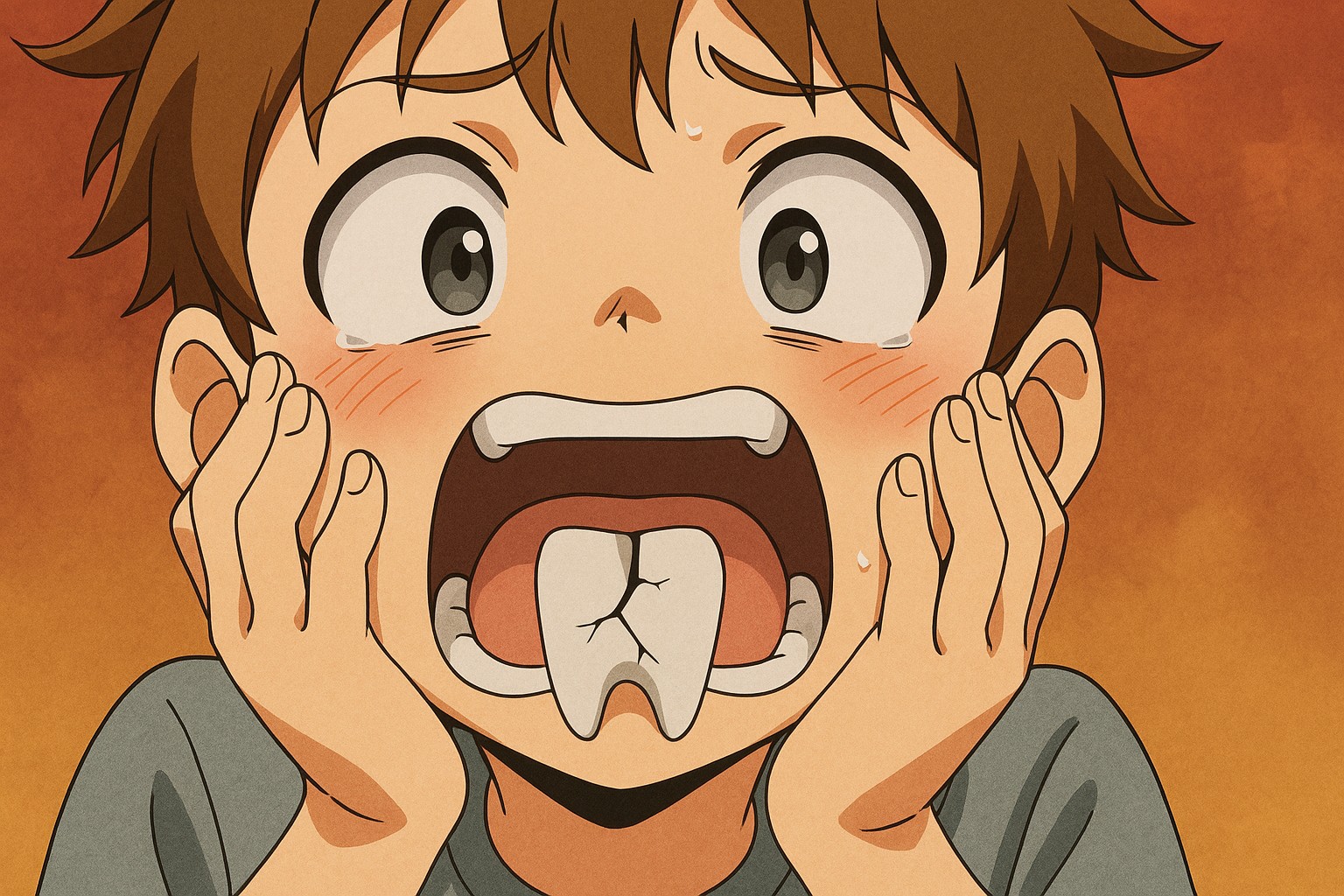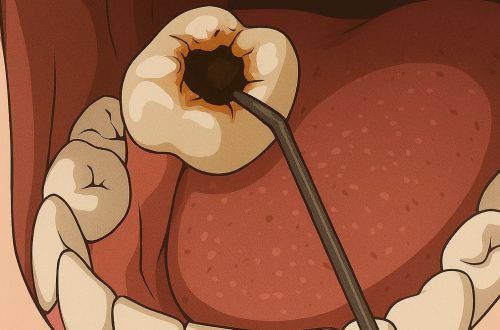
You’re biting into something crunchy — maybe popcorn or ice — when you suddenly feel a sharp pain and realise a corner of your tooth has chipped off. Ouch. That’s often how a broken cusp molar starts.
Don’t panic — you’re not the only one. A broken cusp molar is a common dental issue that happens when part of the chewing surface of your molar cracks or breaks. It might look small, but if ignored, it can lead to bigger problems. Fortunately, with prompt dental care, your broken cusp molar can be repaired and your smile restored without major hassle. This article will walk you through this issue and its treatment.
What is a Broken Cusp Molar?
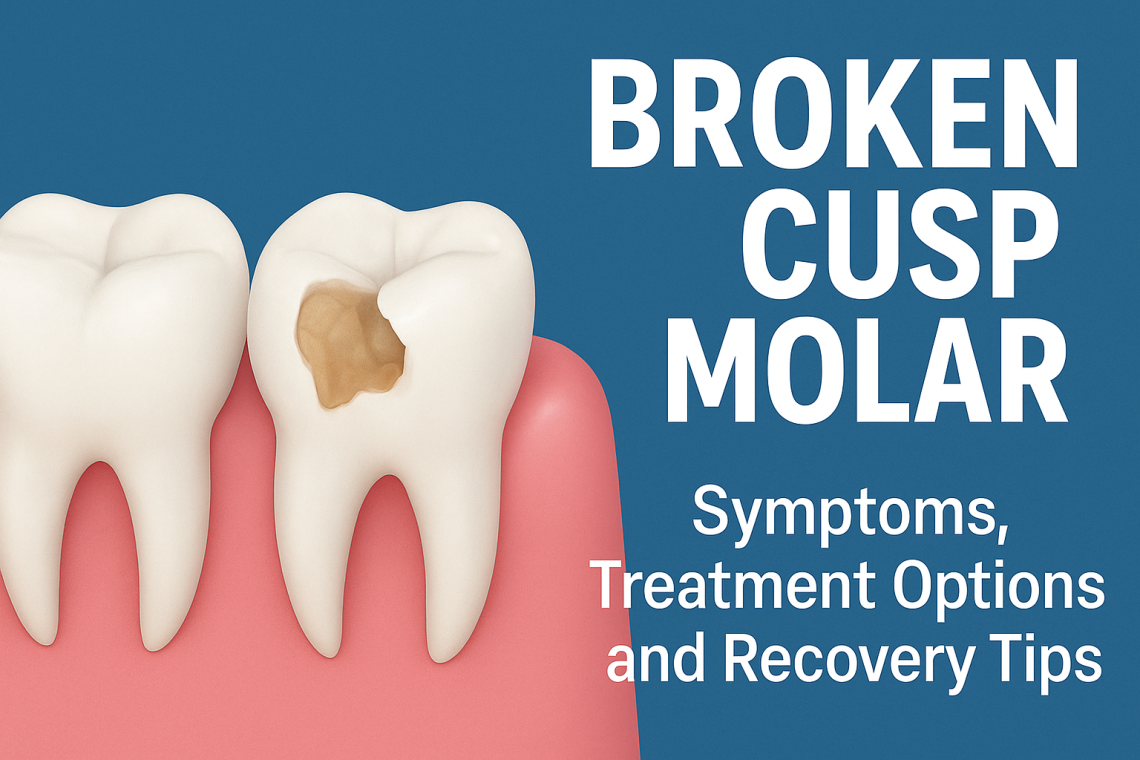
A broken cusp molar refers to a condition where one of the pointed projections on the top of your molar—the cusps—breaks off or fractures. This type of damage can occur suddenly, leaving a sharp edge on your tooth, or gradually as a result of long-term stress on the enamel. You might feel discomfort when biting or notice increased sensitivity to hot, cold, or sweet foods. While a chipped cusp molar often involves a small piece of enamel and usually does not expose the inner structures of the tooth, a broken cusp molar can affect the dentin or pulp, making timely treatment essential.
Causes of Broken Cusp Molars
Understanding the causes of a broken cusp molar can help you prevent further dental issues. The main contributors include:
- Dental decay: Cavities weaken enamel and dentin, making teeth more susceptible to fracturing under pressure.
- Trauma: Accidents, falls, or sports injuries can lead to sudden cusp fractures.
- Biting hard foods: Nuts, hard candies, or even ice can put excessive force on molars, causing them to break.
- Bruxism (teeth grinding): Chronic grinding or clenching, especially during sleep, can gradually wear down cusps until they fracture.
- Large or old restorations: Fillings that cover significant portions of the tooth may compromise its strength, increasing the likelihood of a broken cusp.
Symptoms of a Broken or Chipped Cusp Molar
Identifying a broken or chipped cusp early can prevent complications. Common symptoms include:
- Sharp or intermittent pain when chewing, particularly on hard foods.
- Sensitivity to temperature extremes (hot or cold) and sugary foods.
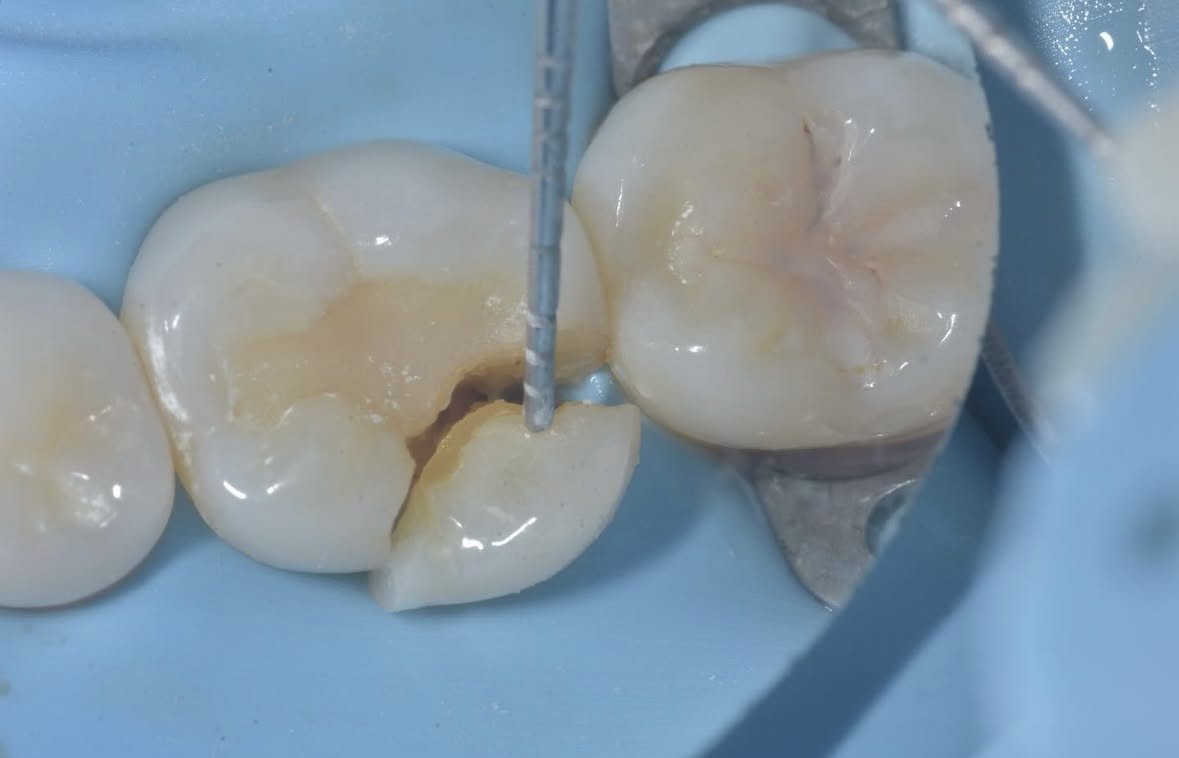
- Visible jagged edges or missing pieces of the tooth surface.
- Mild swelling or tenderness in the gum surrounding the affected tooth.
- Difficulty biting down or discomfort when pressure is applied to the tooth.
- Occasionally, an unpleasant taste if food particles get trapped in the fracture.
Being attentive to these signs allows you to seek prompt dental care, potentially preventing more extensive procedures like root canals or extractions.
How are Broken Cusp Molars Diagnosed?
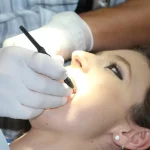
A broken cusp molar might seem simple to spot — after all, you can often feel the rough edge with your tongue — but diagnosing it properly takes more than just a quick glance. Dentists use a mix of tools, imaging, and hands-on tests to understand exactly how deep the damage goes and whether the tooth’s nerve is at risk.
-
Symptom Review and History Check
Your dentist will start by asking about your symptoms — when the pain occurs, what triggers it (biting, cold drinks, etc.), and if you’ve had past fillings, grinding habits, or facial injuries. This helps narrow down potential causes of a broken cusp molar. -
Visual Examination
The dentist carefully inspects your tooth for jagged edges, missing enamel, or fine cracks that might reflect light. Sometimes, even a small line can reveal a significant broken cusp molar. -
Bite Test
You’ll be asked to gently bite down on a small stick, cotton roll, or bite device. If you feel sharp pain when you release pressure, it’s a strong indicator of a broken cusp molar or cracked tooth. -
Gum and Tissue Examination
The gums around the tooth are checked for inflammation or small pockets, since certain vertical cracks can irritate or damage nearby gum tissue. -
Transillumination Test
A bright light is passed through your tooth — known as transillumination — which helps highlight hidden fractures that aren’t visible under normal lighting. -
Staining Dye Application
Your dentist may apply a special dye that seeps into the crack, making even hairline fractures easier to spot. This is particularly useful when identifying early signs of a broken cusp molar before it worsens. -
Dental X-rays and Imaging
Radiographs are taken to look for fractures below the enamel, bone changes, or decay. In complex cases, a 3D cone beam CT scan may be recommended — this advanced imaging can show bone loss or deep cracks that regular X-rays might miss. -
Periodontal Probing
A slender tool called a periodontal probe measures bone levels and gum attachment around the tooth. Uneven bone loss patterns can hint at a deep crack running through the molar. -
Referral to a Specialist (if needed)
If the fracture extends into the pulp or root, your general dentist may refer you to an endodontist — a specialist trained in diagnosing and treating complex tooth fractures and root canal issues.
Early diagnosis is critical because untreated fractures can lead to infection, pulp exposure, and eventual tooth loss.
Treatment Options for a Broken Cusp Molar
The treatment for a broken cusp molar really depends on how much of the tooth is fractured and whether the pulp—the soft tissue inside—is affected. Acting quickly can make a huge difference, both for pain relief and for saving the tooth. Here’s how dentists usually approach it:
| Treatment | When Used | Details |
|---|---|---|
| Dental bonding | Minor chips | For a small crack or chip, a dentist applies composite resin to smooth the edges, restore the tooth’s shape, and protect a broken cusp molar from further damage. This is often done in a single visit and can prevent pain while chewing. |
| Filling | Small cusp fractures | Amalgam or composite fillings rebuild lost structure. If you have a broken cusp molar with a tiny fractured cusp, a filling can restore function and keep bacteria from reaching sensitive inner layers. |
| Crown | Larger fractures | When a cusp is more extensively broken, a crown covers the entire tooth. A crown strengthens a broken cusp molar, protects exposed dentin, and allows you to chew normally again without fear of further cracking. |
| Root canal therapy | Pulp exposure or persistent pain | If the fracture exposes the pulp or causes ongoing discomfort, root canal therapy removes the damaged tissue. After cleaning and sealing the canal, a crown is placed to restore the broken cusp molar fully and prevent reinfection. |
| Extraction | Severe cases where restoration is impossible | In some situations, the broken cusp molar cannot be saved. The tooth is removed, and replacement options such as dental implants, bridges, or partial dentures are considered to restore chewing function and prevent shifting of neighboring teeth. |
Every broken cusp molar is unique, so your dentist will tailor the treatment to your situation. Minor fractures may only require bonding, while larger ones need crowns or root canals. Acting early is key — prompt attention can save the tooth, reduce pain, and keep your natural smile intact.
Think of it like repairing a small crack in a boat’s hull. If you patch it early, a simple fix will keep things afloat. Wait too long, and you might be looking at a major repair — and a lot more discomfort along the way. The same goes for a broken cusp molar.
Recovery Tips After Treatment
Post-treatment care is crucial for long-term success. Follow these recommendations:
- Oral hygiene: Brush gently with a soft-bristled toothbrush and floss carefully around the treated tooth.
- Avoid hard or sticky foods: Foods such as nuts, hard candies, or chewing gum can stress the restoration or cause new fractures.
- Pain management: Over-the-counter painkillers or anti-inflammatories may help manage mild discomfort.
- Follow-up appointments: Essential for monitoring the healing process and ensuring the restoration remains secure.
- Monitor for complications: Watch for persistent pain, swelling, or signs of infection, which may indicate the need for further intervention.
Preventing Broken and Chipped Cusp Molars
Prevention is always better than treatment. Consider these strategies:
- Regular dental check-ups every 6–12 months to detect early signs of decay or enamel weakness.
- Wear a night guard if you grind or clench your teeth.
- Limit consumption of hard foods and avoid chewing ice or non-food objects.
- Address minor chips promptly to prevent them from progressing into full fractures.
- Maintain a balanced diet rich in calcium and vitamin D to strengthen teeth naturally.
| Prevention Strategy | Details |
|---|---|
| Routine dental exams | Detect and repair minor damage before it worsens |
| Protective mouthguards | Especially important for athletes or bruxism sufferers |
| Diet management | Reduce exposure to extremely hard or sticky foods |
| Immediate treatment for chips | Prevents progression to broken cusp molars |
Frequently Asked Questions
Can a broken cusp molar heal on its own without treatment?
No, a broken cusp molar cannot repair itself. Ignoring it increases the risk of infection, further fracture, and potential tooth loss.
What is the difference between a chipped cusp molar and a broken cusp molar?
A chipped cusp molar involves minor enamel damage, often painless and non-urgent. A broken cusp molar affects deeper layers of the tooth, potentially exposing the pulp and requiring urgent dental care.
How long does recovery take after a crown or filling for a broken cusp?
Minor fillings often allow you to chew normally within 24 hours, while crowns may require several days to a week for sensitivity to settle and for the restoration to feel completely natural.
Is root canal therapy always necessary for a broken cusp molar?
Root canal is only required if the pulp is exposed or if there is ongoing pain or infection. Many broken cusps can be restored with fillings or crowns without needing endodontic treatment.
How can I prevent future broken cusp molars?
Maintain diligent oral hygiene, avoid chewing hard foods, consider a night guard if you grind your teeth, and attend regular dental check-ups to detect and address early enamel weaknesses or decay.
References
-
Kakka, A. et al. (2022) ‘Treatment of cracked teeth: A comprehensive narrative review.’ Clinical and Experimental Dental Research. Available at: https://doi.org/10.1002/cre2.617
-
Morimoto, S., Lia, W.K.C., Gonçalves, F. et al. (2021) ‘Risk Factors Associated with Cusp Fractures in Posterior Permanent Teeth—A Cross‑Sectional Study.’ Applied Sciences, 11(19), 9299. Available at: https://doi.org/10.3390/app11199299
-
Xie, N., Wang, P., Wu, C., Song, W., Wang, W. & Liu, Z. (2017) ‘Impact of cusp inclinations on dental fractures in cracked tooth syndrome model and relevant risk evaluation.’ Experimental and Therapeutic Medicine, 14, 6027‑6033. Available at: https://doi.org/10.3892/etm.2017.5285
-
Ray, A., Shetty, K., Garg, A. & Pradeep, S. (2020) ‘Management of fractured functional cusp of maxillary first molar: A case report.’ International Journal of Advanced Research (IJAR), 8. Available at: https://www.journalijar.com/article/31385/management‑of‑fractured‑functional‑cusp‑of‑maxillary‑first‑molar%3A‑a‑case‑report/
-
Patel, S. et al. (2025) ‘Position statement on longitudinal cracks and fractures of teeth.’ International Endodontic Journal. Available at: https://doi.org/10.1111/iej.14186
-
Jadhav, G.R. et al. (2016) ‘Novel matricing technique for management of fractured tooth segments.’ Journal of Conservative Dentistry, available via PMC. Available at: https://www.ncbi.nlm.nih.gov/pmc/articles/PMC4866268/
- Penn Pacific Dental Centre https://www.ppdental.com.sg/post/how-to-fix-a-chipped-tooth-in-singapore