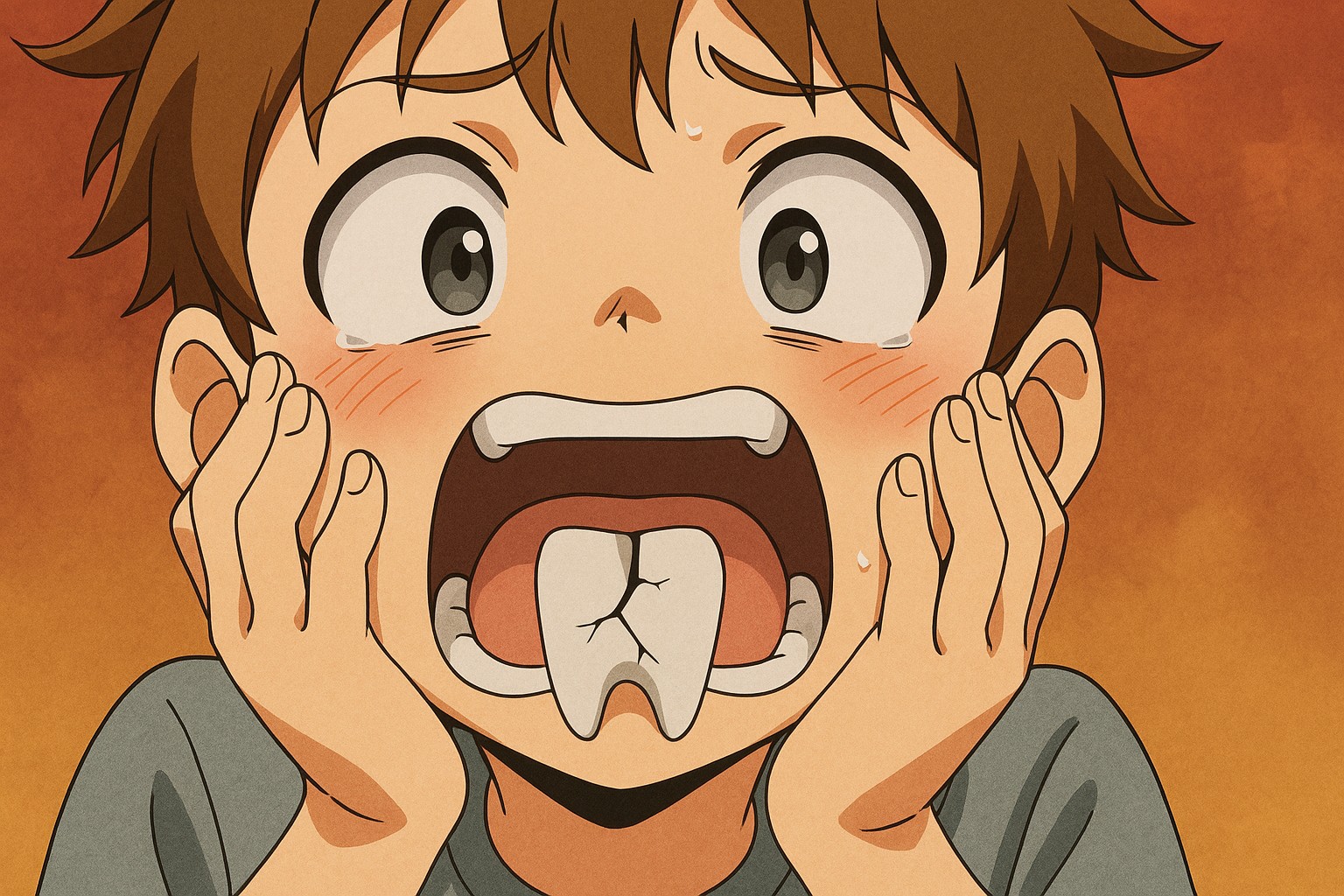
In your twenties, your teeth are supposed to be strong, your smile bright, and your dentist visits purely routine. Yet there I was, biting into an apple and feeling one of my teeth wobble ever so slightly. I knew this was no laughing matter. I couldn’t help thinking, “Why am I losing my teeth in my 20s?”
Then I Googled, “is it too late to save my teeth?” I avoided smiling in selfies because one front tooth looks shorter or slightly loose. It feels frightening and a bit surreal, so I decided to change it. Here’s how I tackled the problem.
What I Didn’t Know: How Common Tooth Loss Actually Is for Young Adults
When I first realised I was on the brink of losing my teeth in my 20s, I felt like a complete outlier. Everyone around me seemed to have perfect Instagram smiles. It took a while to accept that tooth loss in young adults is not rare at all. It is usually the end result of things that build up quietly: untreated cavities, gum disease, grinding, or old fillings that have started to leak.
Recent national oral health surveys in Singapore show that around one in three adults has untreated dental decay, and a large majority shows signs of gum disease at some level. In other words, a huge chunk of adults are walking around with active problems that could eventually cost them their teeth if nothing changes.
It is even more understandable when you look at the lifestyle many young adults have here. You might recognise yourself in some of these patterns:
- Multiple sweet drinks a day, from bubble tea to canned coffee and energy drinks.
- Meals skipped or eaten on the go, followed by snacking late at night.
- Stressful jobs, tight deadlines and poor sleep, which fuel teeth grinding.
- Smoking or vaping, especially in social settings.
- Only going to the dentist when something hurts.
| Underlying issue | What it does to your mouth | How it can lead to tooth loss |
|---|---|---|
| Untreated tooth decay | Acid from bacteria slowly dissolves enamel and dentine. | Teeth break, become infected, and may eventually need extraction. |
| Gum disease (gingivitis and periodontitis) | Inflamed gums and bone loss around teeth. | Teeth become loose because the “foundation” is disappearing. |
| Teeth grinding (bruxism) | Continuous grinding wears away enamel and stresses roots. | Cracks, fractures and mobility appear over time. |
| Trauma or accidents | Falls, sports injuries or biting very hard food. | Teeth may crack beyond repair or be knocked out entirely. |
These patterns come up again and again in clinical studies and national oral health reports worldwide.
The bottom line is this: if you are scared that you might be losing your teeth in your 20s, you are not weird, cursed or alone. You are experiencing the visible end of problems that are sadly very common, especially in busy urban lifestyles.
What Caused My Tooth Loss
Looking back, my own tooth loss was not a single dramatic event. It was more like a slow leak. A bit of bleeding here, a chip there, a tooth that did not feel quite right when I bit down. If you are honest with yourself, you might see a similar pattern in your own story.
How My Lifestyle Factors Lead to Receding Gums in 20s
For years I brushed once a day and thought that was enough. I did not floss properly, I loved sweet drinks, and I never connected my stress to my jaw. On paper, I did “the basics”. In reality, I was quietly setting myself up for receding gums in my 20s and eventually losing my teeth in my 20s.
Some of the biggest culprits only became obvious when my dentist pointed them out:
- Constant sugar hits – sipping bubble tea and sweet coffee over hours keeps sugar and acid in your mouth for a long time.
- Rushed or aggressive brushing – scrubbing left-right with a hard brush makes gums retreat rather than “cleaner”.
- No cleaning between teeth – plaque and food stay packed between teeth, exactly where decay and gum disease love to start.
- Night-time grinding from stress – my jaws took out work stress on my teeth while I slept.
- Long gaps between check-ups – small cavities and early gum pockets quietly grew worse.
Research supports what many dentists see daily. Dental surveys report widespread gum inflammation and periodontitis in adults, which is strongly linked to tooth loss if it is not controlled. At the same time, studies on bruxism suggest that chronic stress can trigger or worsen clenching and grinding, increasing the strain on teeth and jaw joints.
| Habit | Short term effect | Long term risk |
|---|---|---|
| Sipping sweet drinks all day | Frequent acid attacks on enamel. | Deep cavities between teeth that may need root canal or extraction. |
| Brushing too hard | Sore or slightly “cut” gums. | Gum recession and exposed, sensitive roots. |
| Grinding and clenching at night | Jaw pain and morning headaches. | Cracks, flattened teeth and loose teeth over years. |
| Skipping dental visits | Minor issues stay painless and invisible. | Late diagnosis when teeth are already badly damaged. |
Once I joined the dots, my gum recession suddenly made sense. The “mystery” of losing my teeth in my 20s was not a mystery at all. It was the logical outcome of repeated small hits my mouth could not keep absorbing forever.
The Emotional Toll and Early Symptoms I Ignored
Losing my teeth in my 20s was more than a physical problem—it hit me emotionally. At first, I ignored early warning signs: bleeding gums, tooth sensitivity, and a subtle wobble. I told myself it was nothing serious, yet deep down, I worried about tooth loss and silently asked, is it too late to save my teeth?
Every meal became a reminder of my fragile smile, and the embarrassment started affecting my social life. I found myself avoiding photos and close conversations, hiding my teeth whenever I could. Losing my teeth in my 20s can shake your confidence, making simple daily interactions feel stressful, which is why recognizing the emotional impact early is just as important as addressing the physical damage.
Visiting a dentist felt intimidating, especially knowing I might need dental implants in my 20s. The consultation revealed the causes of my tooth loss—from overlooked cavities to gum problems—and offered a concrete plan to prevent further damage. Acting quickly made me realize that even at a young age, solutions exist to restore both function and appearance.
The emotional toll of losing teeth in my 20s is often underestimated. It’s not only about looks; it’s about self-esteem, social anxiety, and feeling different from peers. Accepting the reality of tooth loss while exploring restorative options, like implants or bridges, allowed me to regain confidence and control over my smile, proving it’s never too late to take action.

What My Dentist Say about My Tooth Loss
My real turning point came when I finally booked a full dental assessment instead of just another “cleaning”. Sitting in the chair, I blurted out, “Be honest with me, is it too late to save my teeth?” I was half-expecting a lecture. Instead, my dentist treated it like a problem we could tackle together.
A thorough check-up usually goes through a few stages, whether you visit a polyclinic, a CHAS clinic in the heartlands, or a private practice in town:
- History taking – they ask about your medical conditions, medications, smoking, stress and sleep.
- Clinical examination – they look at teeth, gums, bite and jaw joints, and measure gum pockets.
- X-rays or scans – to check the roots, surrounding bone, and hidden decay between teeth.
- Treatment planning – they map out what is urgent, what can wait, and what it might cost.
| Assessment step | What they look for | What it means for you |
|---|---|---|
| Gum measurements | Pocket depths, bleeding and gum recession. | Shows how much support is left and how active gum disease is. |
| Mobility check | How much each tooth moves when gently pushed. | Helps decide which teeth can be stabilised and which may be hopeless. |
| X-rays | Bone levels, hidden decay, infections at roots. | Reveals problems that are not visible in the mirror. |
| Bite analysis | How your teeth meet when you close and grind. | Identifies whether grinding or misalignment is worsening the damage. |
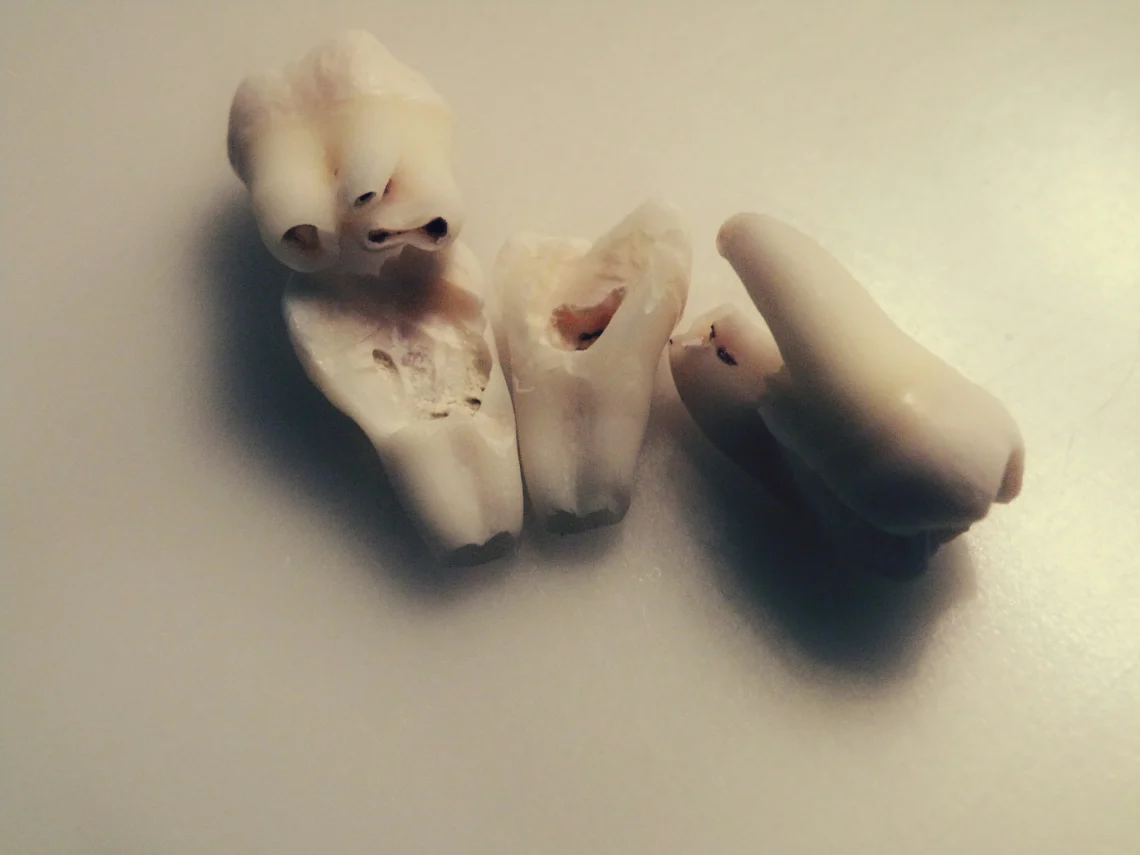
At the end of my assessment, my dentist divided my mouth into zones. Some teeth were still strong. Others had moderate bone loss but could be saved with deep cleaning and careful follow-up. A few, especially one badly cracked molar, were simply too damaged. Accepting that some teeth could not be saved was painful, but hearing that the rest were still salvageable answered my biggest fear about whether it was “too late”.
This was also when we first discussed dental implants in my 20s. My dentist explained that implants are one option to replace missing teeth, but they involve surgery, healing time and cost. In Singapore, a single implant can easily cost a few thousand dollars per tooth before any insurance, MediSave or subsidies are applied, depending on the clinic and complexity of your case.
We also went through how government schemes fit into the picture. Depending on your eligibility, CHAS subsidies can lower the cost of certain basic and restorative treatments at participating clinics, and some surgical procedures may be partly claimable under MediSave, especially if they are done in day surgery settings that meet Ministry of Health criteria. It does not make everything free, but it can make the difference between delaying treatment and getting started.
By the time I left the clinic, I still felt scared, but I also felt something new: a clear plan. Losing my teeth in my 20s no longer felt like a slow-motion disaster. It felt like a difficult but manageable project.
How I Recovered from Losing My Teeth in My 20s
Recovery was not an overnight glow-up. It was more like a renovation. Some damaged parts had to go. Others were repaired and reinforced. New habits were put in place to protect everything that remained. The good news is that once you start, progress can come surprisingly fast, both physically and emotionally.
The Dental Treatments I Received
Your exact journey will be unique, but many people in Singapore go through a combination like this:
- Professional cleaning and deep scaling to remove hardened plaque (calculus) above and below the gums.
- Fillings or onlays to repair cavities and cracks in teeth that still have enough healthy structure.
- Root canal treatment for badly decayed or infected teeth that can still be saved.
- Extractions for teeth that are too loose, broken or infected to keep.
- Replacement options such as bridges, partial dentures or dental implants to fill the gaps.
To help you picture the range of options, here is a simplified snapshot. Costs will vary across clinics, and you should always confirm with your own dentist.
| Treatment | Main purpose | Typical role in recovery |
|---|---|---|
| Scaling and root planing | Deep clean around roots and gum line. | First step to control gum disease and stabilise mobile teeth. |
| Root canal treatment | Remove infection inside a tooth and seal it. | Allows you to keep a tooth that would otherwise be extracted. |
| Dental bridge or partial denture | Replace missing teeth using neighbouring teeth or a removable plate. | More affordable ways to restore function and appearance. |
| Dental implants | Replace roots with titanium posts, then attach crowns. | Long term solution for missing teeth if bone and health allow. |
In my own case, we started with deep cleaning and local anaesthetic to deal with active gum infection. A couple of teeth were saved with root canal and crowns. Two hopeless molars had to be removed. We left the option of dental implants in 20s on the table for later, once my gums were stable and I had saved enough to afford them.
The Lifestyle Changes
Dental treatment alone will not stop you from losing your teeth in your 20s if your daily habits keep undoing the repairs. The biggest shift for me was accepting that I could not treat my mouth like a side quest any more. It had to be part of how I looked after my overall health.
These were the changes that made the biggest difference:
- Switching how I drink – instead of sipping sweet drinks all day, I keep them to mealtimes and drink plain water in between.
- Using a soft toothbrush and gentle technique – small circles at the gumline, not aggressive scrubbing.
- Cleaning between teeth nightly – floss or interdental brushes, especially where I know I have deep pockets.
- Wearing a night guard – my dentist made a custom guard to protect against grinding when I sleep.
- Scheduling regular check-ups – I treat them like non-negotiable meetings rather than optional extras.
Over time, these shifts reduced bleeding, brought down inflammation, and helped the remaining teeth feel firmer. It was not magic, but it was steady progress that I could actually see in the mirror and feel when I ate.
The Emotional Recovery
Healing from losing my teeth in my 20s was not just about gums and bone. It was also about how I saw myself. For a while I felt “less than” friends with perfect teeth. I worried that dates or colleagues would judge me if they knew I had lost teeth so young.
What helped was treating this like any other health issue, not a moral failure. Instead of thinking, “My teeth are disgusting”, I started thinking, “My body is giving me feedback and I am acting on it.” When someone close commented on my improved smile, I shared a bit of the journey. Each time I told the story, the shame shrank and the pride grew.
If you find yourself obsessing over your teeth or avoiding social situations, it may also help to talk to someone who understands mental health, such as a counsellor. To be clear, a therapist cannot regrow bone, but they can help you process the shock, grief and anxiety that come with visible changes to your appearance.
What I Wish I Knew Earlier
If I could go back and talk to my younger self, before I started losing my teeth in my 20s, these are the things I would say very clearly:
- Bleeding gums are not “normal”. If your gums bleed regularly, something is wrong. It is a sign to see a dentist, not to brush less.
- Tooth mobility is urgent. The moment a tooth feels loose, wobbling, or different to bite on, treat that as a priority. Do not wait months hoping it will “firm up” on its own.
- Ask “is it too late to save my teeth” sooner. It is much easier for a dentist to stabilise slightly loose teeth than to rescue teeth that are barely hanging on.
- Money spent early is money saved later. A small filling today costs far less than a root canal, crown, extraction and implant later.
- Your habits matter more than your toothpaste brand. Technique, frequency and diet will always beat any marketing claim.
- Shame keeps you stuck. Dentists see all kinds of mouths. You are not the worst case they have ever seen, and they honestly just want to help.
If you are in the middle of losing your teeth in your 20s right now, you cannot go back in time either. But you can decide that today is the last day you ignore what your mouth is trying to tell you.
Frequently Asked Questions About Losing My Teeth in My 20s
1. Is it normal to lose teeth in your 20s?
“Normal” is a tricky word here. It is not expected or ideal to be losing your teeth in your 20s, but it is also not unheard of, especially if you have a mix of risk factors such as untreated decay, gum disease, smoking and stress. National surveys show that a high proportion of adults in Singapore already have untreated cavities and moderate or severe gum problems, which are the main drivers of tooth loss.
If you are young and have been told you need extractions, it usually means the underlying issues have been building up for years. The good news is that while some teeth may be beyond saving, many others can still be stabilised if you act quickly with professional care and lifestyle changes.
2. Can stress cause tooth problems or gum disease?
Stress does not directly “rot” your teeth, but it affects your mouth in several important ways. High stress levels are strongly linked to clenching and grinding (bruxism), which wear down enamel and put extra pressure on teeth and jaw joints. Studies also suggest that chronic stress can influence the way your body responds to inflammation, making gum disease harder to control.
On top of that, stress often leads to lifestyle changes that harm your teeth: more sweet drinks to stay awake, more smoking or vaping, less sleep, and less energy to floss. So while stress is not the only cause of losing your teeth in your 20s, it is definitely part of the picture for many people.
3. What is the cheapest way to fix bad teeth?
The cheapest option that actually helps is usually to stabilise what you already have before chasing cosmetic changes. In Singapore, this often means starting with:
- Scaling and polishing or deep cleaning to control gum disease.
- Basic fillings for cavities that are still small.
- Simple extractions only when a tooth genuinely cannot be saved.
To replace missing teeth on a tighter budget, a removable partial denture or a conventional bridge can cost less upfront compared with dental implants in 20s. Discuss options at a CHAS clinic or polyclinic if you are eligible for subsidies, and ask your dentist to prioritise treatment into stages so you do not feel overwhelmed by cost all at once.
4. Can bad teeth be restored?
In many cases, yes. “Bad teeth” is a broad label and can cover everything from mild discolouration to severe decay and mobility. Modern dentistry can treat cracks, cavities and infections with fillings, crowns and root canal treatment, and can replace missing teeth with bridges, dentures or dental implants in 20s if your bone and general health allow.
The honest part is that not every tooth can be brought back. Some will need to be extracted for your overall health. But your smile as a whole can almost always be improved in terms of function, comfort and appearance. The first step is a detailed assessment rather than assuming everything is hopeless.
5. Should I see a dentist immediately if I notice tooth mobility?
Yes. If a tooth suddenly feels loose, “spongy” or different when you bite, treat that as an urgent sign. Mobility can mean advanced gum disease, trauma, an infection around the root, or a crack. None of these will fix themselves. The earlier you are seen, the higher the chance that the tooth can be splinted, treated and kept, rather than extracted.
If you also have severe pain, swelling, or difficulty swallowing or breathing, seek urgent care immediately. For less dramatic but worrying mobility, call your usual dentist or a nearby clinic and explain that you have a tooth that has started to move. Most clinics in Singapore will try to fit you in quickly when they hear this.
Conclusion
Losing my teeth in my 20s was not the life milestone I imagined. It was messy, frightening and expensive. Yet in a strange way, it also became a turning point. It forced me to stop running on autopilot, to listen to what my body and my dentist were telling me, and to make long overdue changes to how I live.
If you are worried that you might be losing your teeth in your 20s right now, remember three things. First, you are far from alone, especially in a high-pressure, sugar-filled, sleep-deprived urban lifestyle. Second, asking “is it too late to save my teeth” is powerful, because it means you are ready to act. Third, while some damage cannot be undone, there is almost always a lot that can still be protected, stabilised and rebuilt, from basic clean-ups to advanced options like dental implants in 20s.
The next small step could be as simple as booking a full check-up, switching to a softer brush, cutting down one sweet drink a day, or finally wearing that night guard. None of these are dramatic on their own. But together, they are how you move from quietly losing your teeth to actively keeping the ones you still have, and smiling with genuine confidence again.
References
Fu, H., Li, X., & Zhang, R., et al. (2025). Global burden of periodontal diseases among the working‑age population from 1990–2021: results from the Global Burden of Disease Study 2021. BMC Public Health, 25, 1316. https://doi.org/10.1186/s12889-025-22566-x SpringerLink+2PubMed+2
Dai, X., & Dai, M. (2025). Oral disorders in adolescents and young adults: Global trends and burden, 1990–2021. BMC Oral Health. https://doi.org/10.1186/s12903-025-05864-z SpringerLink
National Dental Centre Singapore. (2019). Findings from the 2019 nationally representative oral health survey for adults in Singapore. PubMed+1
Penn Pacific Dental Center. (2023, October 29; updated November 7). Dental implants: Your path to a confident smile. Retrieved from https://www.ppdental.com.sg/post/dental-implants-your-path-to-a-confident-smile PP Dental SG