Have you ever admired a perfect Hollywood smile and wondered, “How do they get their teeth to look that flawless?” The secret often lies in veneers. But before you can flash that dazzling grin, your teeth must go through a careful preparation process. Think of it like renovating a house: you wouldn’t just slap on a fresh coat of paint without first fixing the walls, right? Similarly, your natural teeth need to be prepped to ensure veneers not only look amazing but also last for years. This guide will walk you through the teeth prepped for veneers process step by step, providing tips, insights, and even some real-life examples so you know exactly what to expect.
Understanding Teeth Prep for Veneers
Before diving into the steps, it’s important to understand what teeth prepped for veneers actually means. Essentially, it’s the process of reshaping, cleaning, and preparing your natural teeth so that veneers can adhere perfectly. Imagine trying to stick a sticker on a rough wall—it won’t stick well unless the surface is smooth and clean. That’s why your dentist carefully prepares your teeth, making sure each one is ready to support a durable, natural-looking veneer. Veneer prepped teeth are meticulously shaped to fit the veneer snugly without compromising your oral health.
Why Do You Need to Get Teeth Prepped for Veneers?
Skipping the prep process might seem tempting, especially if you’re excited to see instant results. But here’s the catch: veneers are only as good as the foundation they rest on. Prepping your teeth ensures proper adhesion, prevents future dental issues, and allows the veneers to look as natural as possible. Preparing teeth for veneers is not just cosmetic—it’s an investment in your dental health. For example, without proper prep, veneers may chip, cause uneven bite pressure, or lead to sensitivity down the line.
7 Steps to Get Teeth Prepped for Veneers
Step 1: Initial Consultation and Assessment
Every successful veneer journey starts with a thorough consultation. Your dentist will examine your teeth, gums, and overall oral health. This includes checking for cavities, gum disease, or misalignments that might interfere with veneer placement. They will also discuss your aesthetic goals—do you want a subtle improvement or a complete smile makeover? Using advanced imaging technology, your dentist can create a virtual preview, showing how veneer prepped teeth will transform your smile. Think of this step as the blueprint phase of a construction project: no one builds a house without a solid plan, and your smile deserves the same careful preparation.
Step 2: Cleaning and Oral Hygiene
Before any shaping or adjustments, your teeth need to be squeaky clean. Plaque, tartar, and other debris can interfere with the veneer bonding process. Your dentist may perform a professional cleaning to ensure every surface is spotless. Maintaining excellent oral hygiene at home is also crucial during this stage. Think of it as prepping a canvas before painting: if the surface isn’t clean and smooth, the final artwork won’t hold up.
Step 3: Shade Selection and Planning
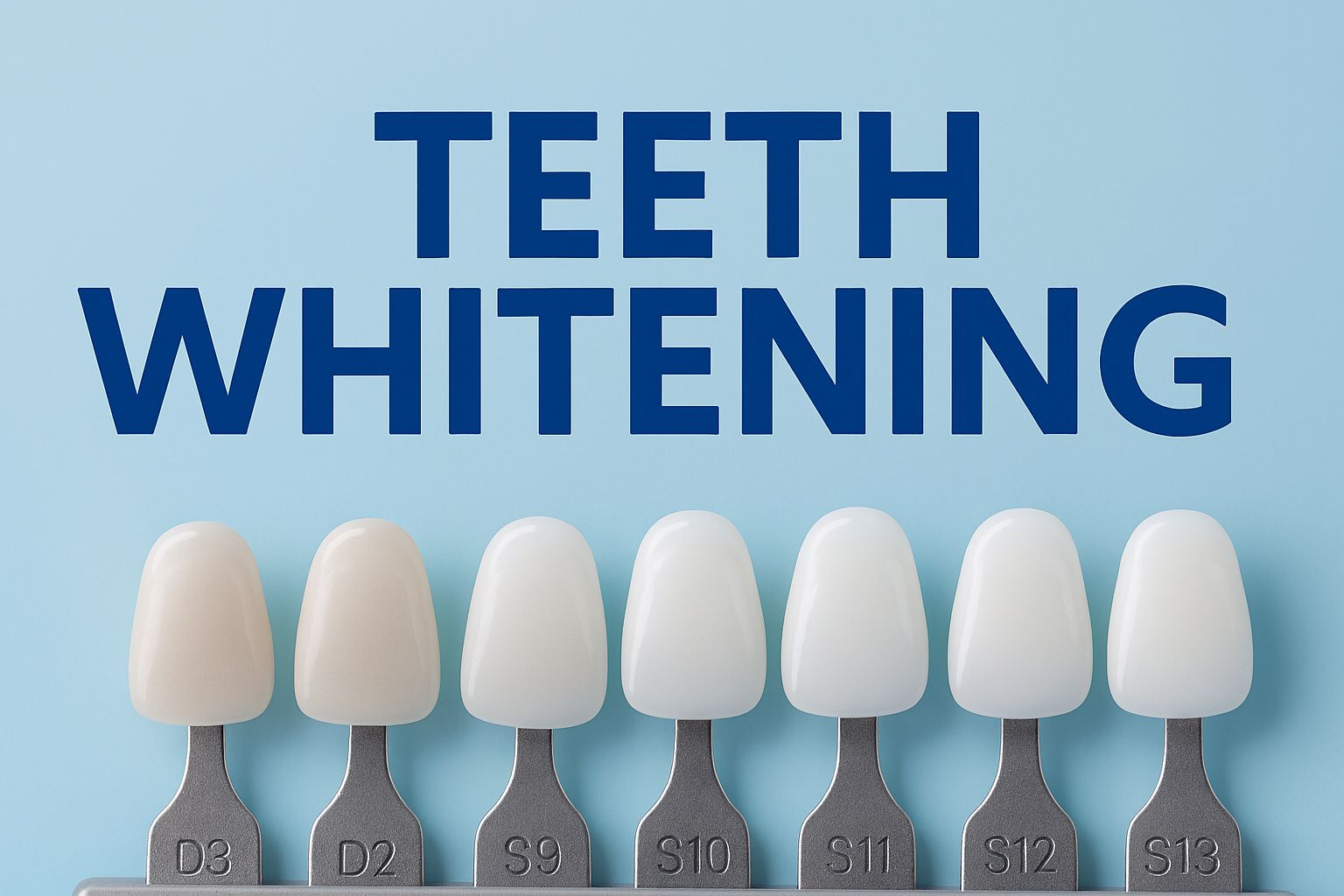
The color and shape of your veneers play a huge role in achieving a natural, radiant smile. Your dentist will help you select a shade that complements your skin tone, eye color, and overall facial aesthetics. This step may include trying temporary mock-ups or digital simulations. By planning the contour and shade carefully, your veneer prepped teeth are aligned with your personal style, ensuring your new smile looks authentic, not artificial. A good metaphor? It’s like choosing the perfect paint color for a room—you want it to harmonize with everything else in the house.
Step 4: Tooth Preparation
This is where the magic happens. A tiny layer of enamel, usually 0.3–0.5 mm, is gently removed from the tooth surface to create space for the veneer. The dentist may also slightly reshape the tooth to improve veneer fit and appearance. While it may sound intimidating, the procedure is precise and generally painless, often performed under local anesthesia. Think of this as sanding down the walls before painting—necessary to make the final result smooth and flawless. Accurate teeth prepped for veneers minimize sensitivity and maximize bonding strength.
Step 5: Taking Impressions
Once your teeth are prepped, the dentist takes detailed impressions using digital scans or traditional molds. These impressions capture the exact dimensions of your teeth, allowing the lab to craft custom veneers that fit perfectly. Imagine trying to create a tailored suit without accurate measurements—it just wouldn’t fit. Accurate impressions ensure your veneer prepped teeth receive restorations that are comfortable, functional, and aesthetically pleasing.
Step 6: Temporary Veneers Placement
While waiting for your custom veneers, temporary veneers are placed. They protect the prepared teeth, maintain function, and let you preview your new smile. Temporaries also help reduce sensitivity and shield your enamel during the interim. Think of temporary veneers as scaffolding in construction—they hold everything in place until the final masterpiece is ready. These are particularly useful if you need to attend social events or professional meetings while your permanent veneers are being fabricated.
Step 7: Final Veneers Placement
The final step involves bonding the permanent veneers to your teeth. Your dentist ensures proper alignment, checks your bite, and polishes the veneers for a seamless look. After placement, your veneer prepped teeth are transformed into a brilliant smile that is both durable and natural. You can now enjoy the confidence boost of a smile that looks like it belongs on a magazine cover.
Aftercare & Maintenance of Veneers in Singapore
Daily Oral Hygiene:
- Brush twice daily with a soft-bristled toothbrush and non-abrasive toothpaste to prevent scratching or damaging your veneers.
- Floss carefully along the veneer margins — sliding floss instead of snapping helps preserve the bonding edges.
- Rinse your mouth after consuming staining foods or beverages (e.g., coffee, tea, red wine), to reduce discolouration risk, especially for composite veneers.
Avoid Harmful Habits:
- Do not bite down on hard objects like ice, pens, or fingernails — these can chip both porcelain and composite veneers.
- If you grind or clench your teeth (bruxism), use a night guard as recommended by your dentist.
Regular Dental Check-Ups:
- Visit your dentist every 6 months for professional cleaning and assessment.
- Your dentist may polish composite veneers or check the bond integrity of porcelain ones.
Stain Management:
- Porcelain veneers are highly stain-resistant, but maintaining them still benefits from good oral hygiene.
- Composite veneers are more prone to staining; periodic polishing or touch-ups may be needed over time.
- Rinse after consuming staining beverages or use a straw to minimise contact with the veneers.
Repair & Replacement:
- Composite veneers are easier to repair if chipped or worn.
- Porcelain veneers, once damaged, often require full replacement.
- Composite veneers typically last 4–8 years, porcelain veneers 10–15+ years.
Cost & Insurance for Veneers in Singapore
Typical Costs per Tooth:
- Composite veneers: S$272–S$654 per tooth.
- Porcelain veneers: S$981–S$1,962 per tooth.
- High-end or specialist clinics may charge up to S$2,500–S$3,200 per tooth.
Additional Treatment Costs:
- Pre-treatment assessments, lab costs, impressions, and temporary veneers can add to total cost.
- Sedation for anxious patients may also incur additional fees.
Financing & Payment Plans:
- Many clinics offer financing or installment plans.
- MediSave does not cover cosmetic procedures like veneers.
- Obtain an itemised written quote before treatment.
Insurance Coverage:
- Veneers are usually classified as cosmetic; most insurance plans do not cover them.
- Expect to pay out-of-pocket for both composite and porcelain veneers.
Risks of Veneers
- Irreversibility: Porcelain veneers require enamel removal, which is permanent and may cause sensitivity.
- Potential for Damage: Veneers can chip, crack, or debond under stress. Poor fit can cause decay or gum issues.
- Colour and Aesthetic Issues: Natural teeth may change color while porcelain does not, potentially causing mismatch; composite veneers may stain over time.
- Long-Term Maintenance & Replacement: Composite veneers last 4–8 years, porcelain 10–15+ years; porcelain repair usually requires full replacement.
- Unlicensed Providers: Veneers done by inexperienced or unlicensed practitioners can result in poor fit, premature breakage, or unsafe procedures.
Porcelain Veneers vs Composite Resin Veneers
| Feature | Porcelain Veneers | Composite Resin Veneers |
|---|---|---|
| Material | Ceramic / glass-ceramic | Tooth-colored resin |
| Durability / Lifespan | 10–15+ years | 4–8 years |
| Cost (Singapore) | S$1,000–S$2,500+ per tooth | S$200–600+ per tooth |
| Stain Resistance | Highly stain-resistant | More prone to staining |
| Procedure Visits | Usually 2+ visits | Often 1–2 visits |
| Tooth Preparation | Requires enamel removal | Minimal removal required |
| Repair | Damaged veneers usually require full replacement | Can be easily repaired with additional resin |
| Aesthetics | Highly natural and translucent | Good aesthetic but less natural than porcelain |
| Insurance / Coverage | Rarely covered, cosmetic procedure | Rarely covered, cosmetic procedure |
Which One Is Right for You?
Choose porcelain veneers if you prioritise longevity, stain resistance, and natural appearance, and are willing to invest more and undergo enamel reduction. Choose composite resin veneers if you want a more affordable, less invasive option with easier maintenance and repair. Always consult a trusted cosmetic dentist and review before/after photos, lab credentials, and full cost breakdowns.
Frequently Asked Questions
1. What does it mean for teeth to be prepped for veneers?
It means reshaping and cleaning your teeth so veneers can adhere properly. Proper preparation ensures long-lasting, natural-looking results.
2. How much enamel is removed during tooth prep for veneers?
Usually 0.3–0.5 mm, just enough to create space for the veneer while preserving tooth structure. Think of it as lightly sanding a surface before painting.
3. Are veneer prepped teeth sensitive afterward?
Sensitivity may last a few days to weeks. Using desensitizing toothpaste and avoiding extremely hot or cold foods can help manage discomfort.
4. How long does the whole veneer process take?
The full process typically takes 2–4 weeks, from consultation to final placement, depending on dental lab timelines.
5. Can all teeth be prepared for veneers?
Not always. Teeth with extensive decay, structural damage, or severe misalignment may need alternative treatments, such as crowns or orthodontics.
References
- i.Dental. (2025). Veneers Singapore: Costs, Procedures, and Options. Retrieved from https://idental.com.sg/veneers/
- Casa Dental. (2025). Dental Veneers in Singapore. Retrieved from https://www.casadental.com.sg/veneers/singapore/
- Sincere Dental. (2025). Veneers: Porcelain vs Composite. Retrieved from https://www.sinceredental.sg/dental-services/dental-veneers
- Happy Teeth Dental Clinic. (2025). Composite Veneers: Procedure and Maintenance. Retrieved from https://www.happyteeth.com.sg/services/composite-veneers/
- Dental Designs Singapore. (2025). Cost of Veneers in Singapore. Retrieved from https://www.dentaldesigns.com.sg/en-sg/articles/much-veneers-cost-singapore-2025-options-prices-process
- Maybank2U. (2025). Dental Veneers Financing Options. Retrieved from https://www.maybank2u.com.sg/en/personal/accounts/savings/passion-plus/learning/dental-veneers.page
- Penn Pacific Dental Center https://www.ppdental.com.sg/cosmeticdentaltreatment