If you’ve ever felt discomfort at the back of your mouth, you might be dealing with a wisdom tooth sideways. You are not alone! Many adults encounter this issue, where the third molar doesn’t emerge vertically and can even grow wisdom teeth horizontally impacted. Understanding the causes, symptoms, and treatment options can save you from prolonged pain and dental complications.
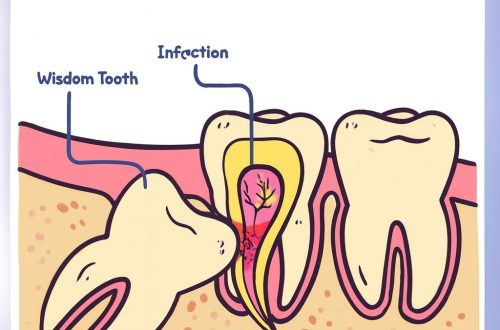
A sideways wisdom tooth, also referred to as horizontal impaction, occurs when the third molar grows at an angle rather than straight. Unlike normally erupting teeth, a wisdom tooth sideways may push against neighbouring molars or remain trapped beneath the gum line, often causing a cascade of dental problems. In some cases, a horizontal teeth wisdom condition can even compromise the alignment of other teeth, making orthodontic intervention necessary later on.
Sideways wisdom teeth can sometimes remain hidden, producing no noticeable pain. Without early detection, a wisdom tooth sideways can slowly shift other teeth over time, leading to bite issues and even increased risk of cavities due to trapped food particles.
Causes of Wisdom Tooth Growing Sideways
There are multiple reasons why a wisdom tooth sideways develops:
Genetic Predisposition: Individuals with naturally small jaws often lack sufficient space for third molars to erupt properly.
Early Crowding: If your other teeth emerged densely, wisdom teeth may be forced to grow at an angle, increasing the likelihood of wisdom teeth horizontally impacted.
Delayed Eruption: Wisdom teeth that fail to erupt on schedule often deviate sideways. This can result in pressure against neighbouring teeth or even root resorption.
Jawbone Structure: Variations in jawbone density and shape can redirect tooth growth sideways or upside down, particularly for horizontal teeth wisdom cases.
Environmental Factors: Poor oral habits, such as prolonged thumb sucking or teeth grinding in childhood, can influence the growth trajectory of wisdom teeth.
Symptoms of Sideways or Horizontally Impacted Wisdom Teeth
Identifying a wisdom tooth sideways early is crucial. Common symptoms include:
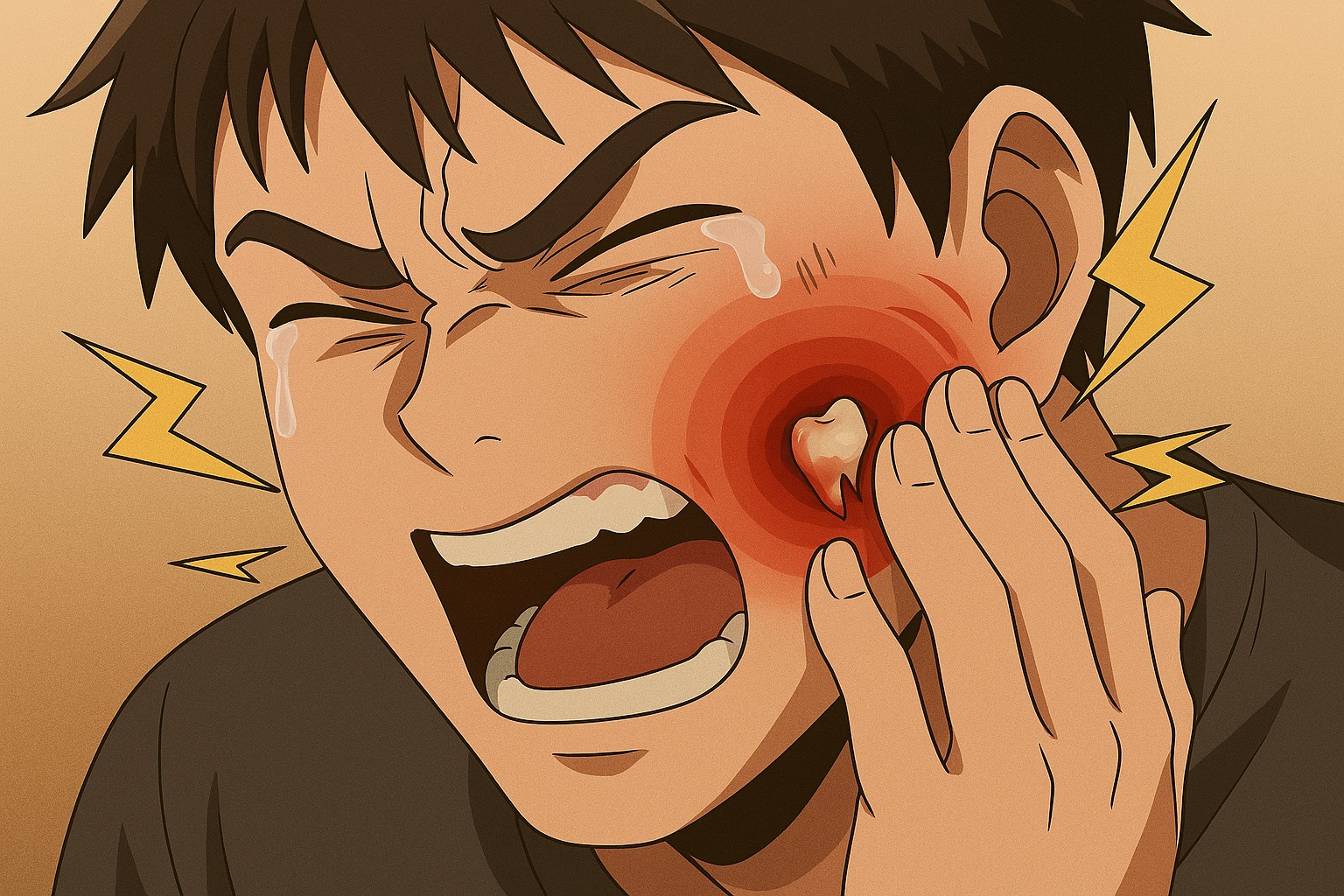
Pain or throbbing in the back of the jaw, particularly when chewing.
Swelling, redness, or tenderness of the gums surrounding the tooth.
Recurring infections, pus formation, or bad breath caused by trapped food around a wisdom tooth sideways.
Pressure on neighbouring teeth leading to misalignment and crowding.
Headaches, jaw stiffness, or earaches linked to tension from horizontally impacted teeth.
Difficulty opening your mouth fully or discomfort when yawning.
Some patients report mild discomfort for years, only noticing symptoms when the tooth causes an infection or pushes adjacent teeth out of alignment. Early detection of a wisdom tooth sideways is therefore essential to prevent long-term complications.
Diagnosis and Imaging Techniques
X-Rays and 3D Imaging for Sideways Wisdom Tooth
Dentists rely heavily on diagnostic imaging to identify a wisdom tooth sideways or wisdom teeth horizontally impacted. The main imaging methods include:
Imaging Type
Purpose
Details
Panoramic X-ray
Overview of jaw and teeth alignment
Shows general positioning of a wisdom tooth sideways
3D Cone Beam CT
Detailed cross-sectional view
Provides precise mapping of roots, nerves, and bone density
Periapical X-ray
Localised focus
Examines specific teeth to detect horizontal impaction or potential cysts
How Dentists Identify Horizontal Impactions
Using imaging, dentists can determine whether a wisdom tooth sideways poses a threat to surrounding teeth and overall oral health. Key assessment points include:
Angle of the tooth in relation to adjacent molars: The orientation of a sideways wisdom tooth can create significant pressure against neighbouring teeth. Dentists carefully evaluate whether this angle might cause crowding, misalignment, or displacement of other molars. Even minor deviations can gradually shift teeth over time, affecting bite and jaw function.
Proximity of roots to the mandibular nerve or maxillary sinus: One of the most critical considerations is how close the tooth roots are to important anatomical structures. A wisdom tooth sideways located near the mandibular nerve may pose a risk of nerve damage during extraction, potentially leading to temporary or permanent numbness. Similarly, upper jaw wisdom teeth near the maxillary sinus require careful planning to avoid sinus perforation.
Presence of cysts, bone loss, or resorption of neighbouring teeth: Horizontally impacted teeth can create pockets where bacteria accumulate, increasing the likelihood of cyst formation. These cysts can erode surrounding bone and even cause resorption of adjacent teeth. Imaging allows dentists to detect early signs of these complications before they lead to serious structural damage.
Potential interference with existing dental appliances like bridges or dentures: A sideways or horizontally impacted wisdom tooth can exert pressure on dental prosthetics, causing discomfort or damage over time. Dentists assess how the impacted tooth interacts with any existing restorations to determine whether preventive extraction or adjustments are necessary to maintain the integrity of bridges, crowns, or dentures.
Assessment of gum and soft tissue health: Imaging combined with clinical examination helps identify areas of inflammation or gum pockets around a wisdom tooth sideways. These areas can harbour bacteria and contribute to periodontal issues if left unmanaged.
Planning for surgical intervention: Detailed imaging allows the dentist to visualise the exact position, root structure, and surrounding bone density, which is critical for safe and effective extraction. This ensures minimal trauma, reduced recovery time, and better overall outcomes when dealing with wisdom teeth horizontally impacted.
Treatment Options for Sideways Wisdom Teeth
Treatment depends on the severity and symptoms of a wisdom tooth sideways:
Monitoring: If asymptomatic, regular check-ups are sufficient. Dentists may track changes using X-rays to ensure the tooth does not become wisdom teeth horizontally impacted.
Surgical Extraction: Required when the tooth causes pain, infection, or misalignment. The extraction process for a wisdom tooth sideways can vary from simple removal to a more complex procedure involving bone trimming.
Medication: Antibiotics and pain relief can manage symptoms temporarily, especially in cases of swelling or infection around a wisdom tooth sideways.
Orthodontic Interventions: In rare cases, braces or other devices may be necessary to correct misalignment caused by a wisdom tooth sideways pressing on neighbouring teeth.
How to Prevent Sideways Wisdom Teeth?
Maintaining Oral Hygiene Around Wisdom Teeth
Keeping your mouth clean is key to preventing complications from a wisdom tooth sideways or wisdom teeth horizontally impacted. This includes:
Using specialised toothbrushes to reach the back molars.
Flossing carefully around the third molars to remove trapped food.
Using antibacterial mouth rinses to reduce infection risk.
Monitoring early signs of swelling or tenderness
Regular Dental Check-Ups and Early Detection
Routine visits to your dentist allow early detection of wisdom teeth horizontally impacted. This proactive approach prevents pressure on surrounding teeth and reduces the likelihood of surgical intervention later. Dentists may recommend X-rays from age 16 onwards to monitor wisdom tooth development.
How to Repair Cracked Dentures Caused by Sideways Wisdom Teeth
A sideways wisdom tooth can exert significant pressure on dentures, especially lower dentures, causing cracks, chips, or warping over time. This occurs because the misaligned tooth may press unevenly against the denture while chewing or speaking, gradually weakening the structure. Addressing the underlying cause is essential before attempting long-term denture repairs to prevent repeated damage.
Here are detailed steps and strategies to manage and repair cracked dentures caused by sideways wisdom teeth:
Temporary Repairs at Home: For minor cracks or small breaks, over-the-counter denture repair kits can provide a short-term solution. These kits typically include a resin or adhesive that allows you to seal minor fractures until you can visit a dentist. While convenient, these are not permanent solutions and should be treated as a stopgap measure.
Professional Dental Repair: Dentists or dental laboratories can provide more durable solutions, including:
Denture Relining: Adjusting the internal surface of the denture to improve fit and relieve pressure from the wisdom tooth sideways.
Denture Rebasing: Replacing the denture base material while keeping the existing teeth intact. This strengthens the denture and restores proper alignment.
Full Denture Replacement: In severe cases where cracks are extensive or repeated due to ongoing pressure from a wisdom tooth sideways, a new denture may be recommended.
Adjustments to Bite Alignment: Sometimes, minor reshaping of the denture’s chewing surface is necessary to redistribute pressure evenly, especially if the wisdom tooth remains partially unerupted or has caused localised swelling.
Wisdom Tooth Management: If the wisdom tooth is sideways, causing repeated denture damage or discomfort, extraction may be the most effective long-term solution. Removing the problematic tooth can prevent future cracks and maintain denture integrity.
Preventive Care: Maintaining good oral hygiene, regularly checking the fit of your dentures, and attending dental check-ups helps catch potential problems early. Dentists may recommend custom soft liners or cushioning materials to protect dentures from the pressure of an impacted wisdom tooth.
By combining immediate repair techniques with long-term dental management of the wisdom tooth sideways, you can restore denture function, prevent recurring damage, and maintain overall oral health. Ignoring the underlying cause may lead to repeated fractures, discomfort, and the need for more costly dental interventions over time.
Frequently Asked Questions
Can a wisdom tooth grow sideways without symptoms?
Yes, some wisdom tooth sideways cases remain asymptomatic for years. Routine dental X-rays are crucial to detect them early before they become wisdom teeth horizontally impacted. Even if there is no pain, early monitoring prevents future complications.
Are horizontal teeth wisdom more painful than vertical ones?
Generally, wisdom teeth horizontally impacted are more likely to cause pain and complications because they press against adjacent teeth or gums. A wisdom tooth sideways can also cause infections, gum inflammation, and may indirectly lead to headaches or jaw pain.
Is extraction always necessary for wisdom teeth horizontally impacted?
Not always. If a wisdom tooth sideways is not causing pain, infection, or crowding, monitoring is an option. Extraction is recommended when symptoms develop, or if the tooth is growing wisdom tooth upside down or impacting neighbouring teeth.
How long does recovery take after removing a sideways wisdom tooth?
Recovery usually spans 1–2 weeks, though swelling and tenderness may persist. Complex extractions of wisdom teeth sideways can take longer. Following dentist instructions on diet, hygiene, and medication ensures faster healing.
Can sideways wisdom teeth affect surrounding teeth and dentures?
Yes, they can lead to crowding, shifting, and cracks in dentures due to uneven pressure. Early management of sideways wisdom tooth prevents these problems. Regular dental checks and timely extraction or monitoring of wisdom teeth horizontally impacted teeth reduce long-term complications.
Hi, I’m Dr. Lin, a cosmetic dentist with over 3 years of clinical experience. I specialize in aesthetic dentistry and digital treatment technologies. My focus areas include porcelain veneers, invisible orthodontics, dental implants, and full-mouth rehabilitation. I believe every smile deserves to be beautifully crafted, and I take pride in tailoring each treatment to the unique needs of my patients.
Beyond the clinic, I regularly speak at dental conferences and participate in community oral health initiatives. Helping people smile with confidence is what drives me every day.